Editor's ChoiceCategories Credit Type Issuers Blog

Charity Credit Cards – An Introduction and Survey

04/09/2009

Here is an introduction and thorough review of charity credit cards. I’ve been meaning to write this up for a while and the following question from a reader has got me going.

Question from Reader :I would appreciate any information you could give me about which credit card companies allow cardholders to donate rewards to charitable organizations. Also, could tell me anything you might know about how a charitable organization can qualify as a recipient of such donations. I would appreciate any help you
could give.

Edward Mikesell

First, let’s tackle the second question.

How does a charitable organization qualify as a recipient of such donations?

Well, the organization has to qualify as a non-profit organization under IRS tax code 501(c)3. Aside from charities, non-profit education organizations for example can also qualify.

Charity Specific Credit Cards – There are two types of credit cards that allow you to donate rewards or cash to charities. The first type is charity specific credit cards. For example, you can get an Anne Geddes credit card and a portion of every dollar you charge to the card is donated to the Anne Geddes Foundation. The good feature of these cards is that charity giving (from your credit card spending) is automatic and to your favorite charity (presumably that is why you got your card). The downside to such charity specific cards is that you can only contribute to one charity.

Charity Partners of Reward Programs – Another way of donating rewards or cash to charity via your credit card is through a reward program. Most credit card reward programs allow you to donate points to charities. Some have more partners than others so the key to choosing a card for such purposes is to actually look at the charity partners of the reward programs. So let’s do that right now.

Membership Rewards – Membership Rewards is the reward program for American Express. This reward program probably has over a million charity partners through a program called Giving Express Online. There are a few ways to give. For example, you can

  • Give to one or more charities and nonprofit organizations
  • Donate dollars with your American Express Card
  • Redeem Membership Rewards® points to make a donation
  • Set up recurring donations
  • Spread your donation out over the year
  • You can even earn points for giving in dollars! Plus your giving records are stored in a password protected Giving History website.

    amexgiving

    Citi ThankYou Network – This is Citicards’ reward program. The following partners are on their program – American Heart Association, American Iinstitute for Cancer Research, American Lung Association, American Red Cross Charitable Contribution, American Red Cross Disaster Relief Fund Contribution, Rainforest Alliance, Intrepid Fallen Heroes Donation, March of Dimes Charitable Contribution, Proliteracy Worldwide, Arthritis Foundation, JA Worldwide, Plan USA.

    With the Thank You Network, you are basically redeeming points which translate to a monetary value and donating the cash to the charities.

    The Thank You Network also allows you to redeem points for a “GiftBack” gift card which you can donate to any charity of your choice.

    thankyoucharity

    thankyoucharitygiftcard1

    WordPoints – WorldPoints is the reward program for Bank of America (formerly MBNA). Their charity partners include Brighter Planet, Make-A-Wish, Make a Charity Choicer (which has over 100 charities), Ducks Unlimited, The Humane Society, Juinior Achievement, National WildLife Federation, Working Assets.

    With the worldpoints program, you are also redeeming points for a monetary value to be donated to charities.

    worldpointscharity

    No Hassle Miles – The Capital One No Hassle Rewards Program has partners with over 1.2 million charities. So it is likely that you will find your favorite charity in their program. The great aspect of Capital One is that they will cover all transaction fee so that every dollar that you give actually goes to the charities. You can choose to donate cash or use your reward points.

    capitalonecharity

    Chase Rewards – I logged on into my Chase Flexible Rewards account and couldn’t find any rewards in it. So I guess Chase is not such a good card for charity giving.

    Conclusion – So there you go – the major credit card reward programs and their charity rewards. From my perspective, I like the American Express Membership Rewards best for the number of charity partners and the flexibility of giving and the ability to set up “automatic giving”. Capital One’s program looks to be good as well.


    Hyatt Gold Passport

    04/08/2009

    Overview – Hyatt’s frequent guest program has three different levels, Gold, Platinum, and Diamond. They offer points for stays and at select rental car agencies, but limited other earning potential. They claim to offer “no blackout dates for redemption”, but awards for Gold members are capacity controlled.

    Levels – The Gold level is their general level offered to anyone who bothers to register. While it offers no blackout dates on awards, that is deceptive in that they are capacity controlled. While there are no preset blackout dates, the situation may be similar to capacity controls that airlines employ.

    Their Platinum level offers true “last room” availability with no blackout dates or capacity controls, similar to the acclaimed Starwood Preferred Guest program. This level is attainable with merely 5 stays or 15 nights. Other benefits include a %15 bonus in points earned and a guaranteed bed type.

    Their Diamond level is their highest level that is attained when completing 25 stays or 50 nights. Members get a %30 bonus and an automatic upgrade to a Regency Club Grand room.

    Earn Points – Earn five Hyatt Gold Passport points for every eligible dollar spent at Hyatt. In addition, Platinum members can earn a 15% point bonus and Diamond members a 30% point bonus. Points earned in Hyatt’s program are in lieu of mileage awards with air carriers. Points can also be earned at rental car partners Avis and Sixt. At the present time, there is no credit card that earns Hyatt points.

    Points can also be purchased for up to 10% of the total points required for redemption at USD$10 for every 500 points. There is a 10,000-point limit per calendar year. Finally, Hyatt allows you to combine points with another member in order to reach an award.

    Redeeming Points – Point redemption depends on the hotel class and room type, with awards availible for Regency/Grand rooms and Suites. Awards range from 5,000 points for a standard room at a Category 1 property, to 27,000 points for a suite at a Category 5 hotel. Upgrade awards are available to both Regency/Grand rooms and to suites. Finally, there is a Passport Escape option for stays of 5 or 7 nights that include breakfasts and dinners.

    There are also options for converting points to airline miles, rental cars, and other promotional opportunites.

    Verdict – They Hyatt program has some attractive features. Their Platinum membership is not hard to attain, requiring only 5 stays in a year. Once there, you are able to use rewards in an unrestricted manner. Hyatt also offers many types of awards including upgrades, so you can taylor your redemption to your needs. Unfortunately, there are few ways to earn miles outside of hotel stays. This program is best suited for those who frequently stay at Hyatts, unlike some programs where points are easily accumulated with a co-branded credit card or with other partners.

    A Grab Bag Of Credit Card News

    04/07/2009

    American Express Increases Rewards

    Amex is offering double membership rewards miles on gas and groceries for the next twelve months. The trick is that you have to register here. I currently get 5% back on gas from my Amex Platinum Business Open card. Membership Reward points are fairly valuable, mostly due to their flexibility in that they can be redeemed for miles and award with dozens of airlines, hotel chains, and retailers. If I was a Membership Rewards member, I might just switch my gas spending over. I would certainly charge my groceries there.

    One trick you might consider is purchasing gift cards. My local grocer has a whole tree of gift cards for dozens of different businesses. If I was going to a new grill at Home Depot, I could a few hundred dollars of Home Depot gift cards at my grocery store, and earn the double Membership Rewards points. I have seen gift cards for airlines, hotels, and restaurants too.

    Don’t forget to register, it can’t hurt.

    American Express Decreases Rewards

    Remember my Amex Platinum Business Open card that gives me 5% cash back on gas. It also gives me 5% cash back on Delta purchases. Apparently, the same is true of some of the Amex Delta cards as well. Unfortunately, it appears that this discount will be dropped as of May 15. This means, if you have a big Delta ticket purchase to make, you might want to do so in the next month or so. I am not sure if that applies to my non-Delta Amex Open Bussiness Platinum card, but I will check it out.

    Chase Comes Clean On Bogus Fee

    Chase made an offer that to it’s customers to have them transfer their balances for a one time fee. Then, it sent out a letter telling it’s customers that a $10 a month fee would be added. New York Attorney General Andrew Cuomo opened an investigation after being flooded with complaints about essentially a $120 a year annual fee. Here is the CNN article.

    Here is my favorite part: “Last Thursday, Chase agreed to comply with the demand, Cuomo said.

    However, the bank said it decided to withdraw the fee based on cardholders’ feedback.”

    I love it. When has a bank ever lowered it’s fees due to customer feedback. They broke the law and they got caught, now they are trying to dress it up as customer service.

    Life After Death For The Circuit City Credit Card

    You remember Circuit City? This is the company that fired it’s best employees because they were earning too much, only to replace them with lower skilled, lesser paid employees. To their shock, customer satisfaction plummeted and they were eventually forced into bankruptcy and liquidation.

    My memories of Circuit City date back to a couple of weeks in early 2006 when I did some technology consulting for them. I spent two weeks at their headquarters in Richmond, Virginia, standing around waiting to perform some work. When I did, it took me only a couple hours to complete. It turns out that Circuit City hired IBM, to hire another contracting company, to hire me, and fly me out to Virginia every week, all expenses paid. There were dozens of similar contractors there in a what can only be described as a model of inefficiency. I was not surprised or disappointed to see them vanish.

    Now, Circuit City is no more, but their credit card lives on. Good luck to anybody who thought that Circuit City operated their credit card and their debts were forgiven when Circuit City ceased to exist. Instead, our good friends at Chase have taken over their accounts, and will be linking them with Circuit City’s former competitor, Best Buy. You can see a sample of the letter sent out to card holders here, via The Consumerist.

    I suppose if the Circuit City card interested you, you will probably be equally interested in a Best Buy credit card. More likely, you signed up for the card in order to get 10% off of a purchase some time ago, and forgot that you had the card. Anyways, now you know the rest of the story.

    The Festival of Frugality – Famously Frugal Edition

    Welcome to the Festival of Frugality!

    Frugality is one personal finance issue that crosses the border between the rich and the poor – the successful and the unsuccessful. Anyone can be frugal, and live smartly.

    So, I wondered, who are some famously frugal people? Which public figures regularly show that having money does not mean blowing money? Let’s take a look:

    beyonce

    Beyonce


    In a recent interview Beyonce is quoted as saying:

    “I haven’t bought a car since I was 16 or diamonds since I was 17,” she told the British publication ‘The Mirror’. “I have a lot of property. I’ve invested my money and don’t have to make any more, thank God, because I’m set. I’m now able really to be free and just do things that make me happy.”

    Ok, so “not ing diamonds” isn’t exactly the first thing I think of when frugality comes to mind, but if I was Beyonce, it might be…

    The articles below are my editor’s picks for this edition of the Festival of Frugality, don’t miss them!

  • Dollar Frugal presents Purchasing Classic Furniture Pieces.
  • Funny about Money presents Microbudgeting: Keep costs under control with a baby-steps budget.
  • Condo Blues presents How to Make Powdered High Efficiency Laundry Detergent.
  • No Debt Plan presents Should You Lie to Get a Discount?
  • World Healing presents Time Management: Tools, Tips & Techniques.
  • Sound Money Matters presents Farmer’s Market Strategies: Early or Late?
  • Christian Personal Finance presents Money doesn’t solve money problems.
  • Think Your Way to Wealth presents Create an Edible Container Garden This Spring.
  • Recessions Blow presents Want to Cut Costs? Learn to Do Without.
  • tobeymaguire

    Tobey Maguire

    After he made the first Spiderman movie, Tobey Maguire chose not to increase his regular spending, even though his income had drastically increased. He is quoted as saying:

    He told Parade magazine:

    “When I first started being successful at this, financially speaking, I was very conservative with my money. That was definitely a product of my upbringing. You know those Lotto winners who win big and then blow all the money? That would never happen to me.”

    The 33-year-old star believes his frugal spending means he will never be forced to “keep making movie after movie” to maintain a lavish lifestyle.

    Let’s hope he learns to invest, too….

    halleberry

    Halle Berry

    Halle Berry is frugal and smart – she’s not counting on future successes before they happen. As she puts it:

    “I’m not someone who has to have 10 cars and lots of diamonds. I’m pretty frugal.

    “I save a lot because I’m always worried about when this trip is going to stop.”

    terihatcher

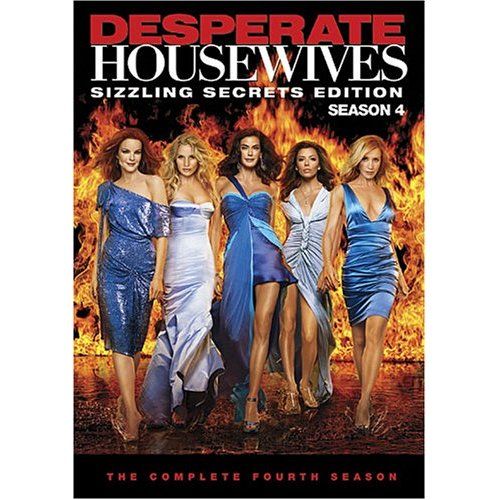
    Teri Hatcher

    Teri Hatcher makes the list, at least, until we vet her. She’s been known to drive her cars into the ground rather than ing a new one. Terri prioritizes her money instead, saying that she would rather “Go on the trip of a lifetime than a new car.”

    Do any true frugalists want to step up and tell Ms. Hatcher that regular car maintenance is still frugal? And that there is really no need to ever “drive a vehicle into the ground”? Still though, it’s a nice contrast to Jay Leno’s car collection. Obsessions are never frugal.

    That concludes this week’s edition of the Festival of Frugality. Thanks to everyone for their excellent submissions.

    Finessing Your SkyMiles

    04/06/2009

    Back in the day when Delta offered it’s Big Promo, (by mistake if you are to take them at their word), I went from zero to several hundred thousand SkyMiles in a few weeks without ever setting foot on an airplane. What seemed like a big windfall, was less so as Delta offered very few international flights to my destination at it’s “low” level. At the “mid” level, the SkyMile was worth about 1.7 cents each for their business class, and a mere penny in economy. Given these valuations for me, I am taking a look at Delta’s latest “transfer miles” promotion.

    How Does It Work?

    Delta had an earlier promotion that expired, but they have since revived it. Between now and May 31st, you can transfer Delta SkyMiles between one account and another for a fee. Here is the link. The fee is $30 plus one cent per mile. Therefore, transferring 30,000 SkyMiles will cost $330, and will result in the recipient getting 60,000 miles.

    Is It Worth It?

    At first glance, not for most people. You are essentially making a net gain of 30,000 miles for $330, a cost of 1.1 cents per mile. For coach flights, I would say this is hardly worth it. You may, if you are lucky find a little bit of value above 1.1 cents on a coach or an international business class ticket, if you can snag the illusive “low” category award. These awards are often on red-eyes or other undersold flights. For those who use SkyMiles exclusively for fussiness class awards, there may be some value here. If you can get 2 cents a mile or more in value out of it, you can essentially swap miles with another participant. Use your Delta Amex, and you can get a few more miles out of the transfer fee itself.

    I have also found another case where you can save some real money. Let’s say that you have a friend or relative who has some orphaned miles that they don’t want or can’t use. If they are willing to part with them, then you can do very well. If you value their “orphan” miles at zero, in the case of the hypothetical 30,000 SkyMile transfer, you would get 60,000 miles for $330. That is a cost per mile of just over one half a cent per mile. In real terms, that 60,000 miles could be applied to any ticket using the “pay with miles” option at 1 cent per mile. So you would save $600 on the ticket, for a net savings of $270, just for being a savvy traveler. You could also make life simpler and just apply those orphan miles directly to a ticket. This trick works best when you are combining miles to create an even bigger credit for a single ticket.

    Holding The Delta Reserve Card In Reserve

    Mr. Credit Card was right on the money with his recent review of the Delta Reserve Card. He concludes by saying that “I highly recommend this card to the true Delta frequent flier.” There is one exception that I can think of. I know people who are currently Platinum Medallion members who are holding out on getting the Reserve card. The way they see it, they can only get the 10,000 Medallion Qualifying Miles bonus once, and they are only planning on getting the card if their travel causes them to fall just short in a particular year. It is eminently rational behavior if your travel patterns vary from year to year. There is no point in wasting the bonus MQMs if you are assured to make Platinum. As they tell it, once you make Platinum Medallion, it is really hard to go back.

    For these people, they will look at their statement some time in November and check to see if their travel plans have them reaching their desired level. If they are falling short, they may make an extra trip before the end of the year, possibly even a mileage run. If they are very short of their goal, they will always be able to just apply for the Reserve Card, and be assured of reaching that covetted pateau in Deltadom.

    The Carnival of Debt Reduction – Emergency Techniques For Reducing Your Debt

    Welcome to the Carnival of Debt Reduction!

    Most of us are familiar with the basic debt reduction techniques, debt snowballs, etc. But what should you do if you are really in a bind, and you need to reduce your debt quickly? These tips can help you make a big dent in your overall debt as fast as possible. The articles that are highlighted with them can give you even more information on frugality, debt reduction, and financial education.

    We had some really excellent submissions for this carnival, and I am excited to share them with you. My editor’s picks are first up below. Enjoy!

    potofgold

    Emergency Debt Reduction Step #1: It’s not going to go away overnight…

    Yes, you need to reduce debt quickly – but the first step to debt reduction is understanding one simple principle: You didn’t amass the amount of debt you have overnight (at least I hope not..) and it’s not going to go away overnight either. Debt reduction takes time, and work. The more time and work you put into it, the quicker it will go away.

    If you truly want to get rid of your debt, then you have to decide to do it no matter what: No matter how long it takes me to get rid of my debt, I am going to stick with it, and do whatever it takes. That’s it, that’s the first most important step: Be completely committed.

    The articles below are my editor’s picks for this carnival, I loved reading them, and I hope you will too!

    Editor’s Picks:

    gethelp

    Emergency Debt Reduction Step #2: Get Help

    If you are deep in debt, and you have no idea what to do about it, get help. There are a number of agencies out there (some free, some paid) that are qualified to help you get out of debt.

    My favorite recommendation for people with a large amount of debt is to go through a debt negotiation process. Debt negotiation involves allowing a professional to negotiate your credit accounts for you. The pro we work with here on Ask Mr. Credit Card is Sam Sky. Companies like Sam’s specialize in reducing your current credit card interest rates, lowering your monthly payments, and removing all the fees on your credit accounts.

    Using a professional also helps you to negotiate reduced, lump-sum payments on your debt. Instead of paying down that $10,000 on your card, a debt negotiator can set it up so that the credit card company will accept a one-time payment of $6,000 instead.

    Debt negotiation is a quick way to reduce your debt by 1/4 to 1/2 of it’s current total. It’s also relatively stress free, and requires very little work. All around an excellent emergency technique.

    It is important to stress that this is an emergency technique – Debt negotiation involves closing your credit accounts which damages your credit score. It’s not something you want to do if you don’t need to reduce your debt fast – but if you do need help, it’s the best place to start.

    diy

    Emergency Debt Reduction Step #3: Do It Yourself

    What if you need to reduce your debt, but don’t want all of your credit accounts closed out? You can call your lenders on your own and negotiate. You’ll probably never be able to reduce your debt by half this way, but you can certainly knock it down a bit just by spending some time on the phone.

    Here’s the key strategy:

    Make a list of everyone you owe money to, and the amounts you owe. Note any fees that you have paid on those accounts: Membership fees, late fees, over-limit fees, annual fees, etc.

    Start calling you lenders one by one and ask them to remove the fees. While you have them on the phone, ask them to lower your interest rates. Most credit card companies will lower your interest rates if you tell them that you are planning to balance transfer your debt unless they negotiate with you. (Do not threaten to close your account, “balance transfer” is the magic word.)

    Every penny that you can have “taken off the top” of your debt is a penny that you do not have to pay back. It makes eliminating your debt faster, and easier. It really is as simple as making a phone call. If the general customer service rep can’t help you, ask to speak to the retention department, or a manager.

    necessary

    Emergency Debt Reduction Step #4: Is that really necessary?

    Sometimes I think we have our priorities seriously out of whack. If you have a lot of debt, sit down with your family and ask yourself if the following things are really necessary (at lest, until your debt is paid down):

    Cable TV
    Netflix
    Gym Memberships
    Club Memberships
    New clothes / shoes / makeup etc.
    Designer coffees and foods

    You get the idea here. If you’re living above what your income can afford, make the cuts where you can, and make them fast. If you talk to your family, and set priorities for what you are going to keep, and what you are going to sacrifice there will be less wailing and gnashing of teeth. Everyone participates, and everyone agrees they are going to work together to get out of debt.

    This is a common sense step, but sadly, I think it’s the number one step people in debt don’t take.

    We all love the style of life we are accustomed to, but if that lifestyle is getting you into debt, things have to go – cut them fast and don’t look back. Living without debt is much more enjoyable than those little amenities, I promise.

    income

    Emergency Debt Reduction Step #5: Raise Your Income

    If you’re sitting in debt, get to work! Take on an additional part time job, or find a way to work part time from home. Anything and everything you can do to bring in additional income will wipe away your debt that much faster.

    On another note, if you have stuff sitting around that you can sell, get rid of it. We’ve all made bad purchase decisions. Your old, unused iPod could bring in much-needed debt money. Use EBay, local re-sellers, everything you can. Your home will be more peaceful too, without all that stuff sitting around.

    I view it this way: every unused item I own that is worth money could be reducing my debt and my stress level in one go. Trading your old stuff in for peace of mind is a very, very good deal.

    knowledge

    Emergency Debt Reduction Step #6: Get Educated!

    Finances are a learned skill, not an innate ability. No one is born knowing how to manage debt, use credit properly, invest wisely, etc., etc. These things are learned, all of them. If you have a significant amount debt that’s a signal that you should brush up on your financial knowledge. Articles like the ones listed here are a great place to start, but you can check out popular books on the topic too.

    Consider reading books by authors like Dave Ramsey, Robert Kiyosaki, Suze Orman, etc. Every time you increase your knowledge, you will make your financial situation better. Every single time.

    kidsandmoney1

    Emergency Debt Reduction Step #7: Talk to your kids about your debt

    For some reason, many of us keep our children completely in the dark about our financial situations. This is the last thing you should be doing. Remember when we said finances are a learned ability? Well, it’s a learned ability for your child too. If you are in debt, it’s an excellent time to teach your children what they should do to either avoid being in debt, or to fix it if they are.

    You do not want to scare your child, but you do want them to understand that getting into debt is a process, and getting out of debt is a process. If you get them on your side, and help them to understand, they will be more willing to help you make budget cuts. Even the young ones can be shown that they need to save for toys instead of ing on Mom or Dad’s credit card. Older children can work through a basic budget with you, and you can discuss the pro’s and con’s of different approaches to repayment.

    Money management is not taught in schools – if you don’t take the time to give your child these tools, they will have to find them on their own, usually much later in life, after they are deep in debt. By being open with your child about your debt, you can teach them about what money management really means.

    That’s it for this week’s edition of the Carnival of Debt Reduction. Thank you all for your excellent submissions!

    The Credit Book By Sam Sky

    04/05/2009

    thecreditbook Welcome to Ask Mr. Credit Card.com. Every Sunday we review a personal finance or credit book. This week it’s The Credit Book by Sam Sky.

    A bit of background: Sam is the Debt Negotiation / Credit Restoration expert that we recommend most often to the readers who send in questions about their debt. We did a radio interview with Sam a while back, and I was really amazed by his level of knowledge about credit reports and debt negotiation.

    Needless to say, I was really excited to get my hands on his book. I wavered for a minute when I picked it up, because it contains a little bit of language. However the language is mostly directed at scummy banks that take advantage of people every way they can. So, I understand the righteous anger. We get a lot of letters from people whose banks and credit card companies are treating them unfairly.

    Language aside, the book got interesting quick. Sam begins with a basic bit of education, and then moves right on into more advanced topics. Here’s an excerpt:

    Ever Been Turned Down For A Bank Account?

    There are many types of ocnsumer reports. Some of the most popular reports that a consumer is going to come into contact with are the following: Dunn and Bradstreet, Experian Business Report and Check Systems.

    Check Systems is a consumer report which is strictly used among the banks in an attempt to protect banks from allowing individuals with a past bad check writing history to open an account and leave a tornado of damage with more bad checks being written.

    Most people aren’t aware that you are entitled to a free copy of your Check Systems consumer report, and you can dispute and remove negative items off of this report.

    Check Systems has a policy that attempts to force you to deal directly with the banks and pay them back directly.

    Pardon the pun, but they bank on the fact that you will fel useless and not know how to contact Checks Systems. They will not give you their Check Systems address, and they keep all information as secretive as they possible can.

    That actually sounds a lot like the FICO score formula to me. For something that has such financial importance, it’s awfully difficult to decipher how it’s computed.

    It doesn’t surprise me that Check Systems would try to prevent you from contacting them either. When we put together our Guide to Challenging Items On Your Credit Report, it was difficult for us to find the addresses for the three main credit bureaus too.

    These agencies do not want you to contact them. Disputes are a headache for them. Never mind that it’s our credit scores that suffer when incorrect information gets listed.

    A Consumer Report has no legal validity although it’s treated like gold. It is not a legal document.

    The credit report is not a true reflection of your credit. It can not be used as such in a court of law. It is just a consumer report.

    A smart person will utilize this to their benefit, while others will have it utilized to their detriment.

    Your good credit isn’t on your credit report – Car insurance, medical insurance, water bill, electric, health club, rent, etc. Your bad credit doesn’t have to be on there either!

    This really is an important point to understand. Your credit report is not a legal document. Nore is it an accurate representation of how you pay all of your bills – only some of them. Many, many companies only report negative information to the credit bureaus, never positive. So, it’s possible to pay your bills on time every year for five years, and never have that positive payment reported. Then the first time you have an emergency and you are late, the late payment will show up on your credit report.

    Our credit reports belong to us, not the credit bureaus. The credit bureaus keep those records on behalf of the banks that use them, but your report belongs to you. What’s on it is your responsibility.

    Most people’s credit reports contain inaccurate information. Period. Chances are if you check all three of your credit reports you will find information that is incorrect. Bad information that lowers your score needs to be removed.

    When you understand that your credit reports belong to you, and what goes on them (or off them) is your responsibility, it opens up a whole new world. Credit reports require at least once yearly maintenance, if not more often. Regular maintenance also helps to prevent identity theft.

    The MIB

    The MIB, better known as the Medical Information Bureau, is the consumer reporting agency that contains your medical information and past history. If you get turned down for insurance because of a pre-existing condition, it’s because this report contained negative information. The good news? It belongs to you too, and you can have things added, or removed as you need to.

    Work the system, don’t let it work you. Neglecting your consumer reports only hurts you in the long run, it never helps. If you could count on everything to be accurate 100% of the time, then you could possibly say, “Well, I was late on those payments, and now it’s on my credit report, I won’t let that happen again.” However, sometimes it’s even possible to have someone else’s bad accounts listed on your credit reports. It’s never 100% correct. You do have to maintain and update all of your consumer records. Otherwise you will never know if it’s your mistakes that lowered your score, or a reporting error that disqualified you from a better interest rate.

    So, which inaccuracies are you legally allowed to challenge on your consumer reports?

    If the information on your consumer reports falls under any of these categories, then you have the right to have it removed:

    You have a legal right to have that consumer reporting changed or updated, but you also have a right to have it removed completely for being less than 100% accurate.

    For now, if you want to know more about how to challenge information on your consumer credit reports, you can check out our guide. Next week we’re going to take a look at Sam’s specific hints and tips for doing this, and see if we can pick up any new information that might be helpful.

    Don’t forget to grab our free RSS feed so that you don’t miss the rest of the review.

    Thanks go out to these carnivals for featuring our articles this week:

    Bill Of Rights Advances

    04/02/2009

    I have been following two efforts to reign in abusive practices of the credit card companies. You may recall my take on the Credit Card Bill of Rights, and the New Rules. They are both very good ideas that face the same problem, neither of them have been enacted. With the Bill of Rights legislation, it has been held up in congress and faced very little chance of being signed by the previous President. It is highly likely that President Obama will sign it, if he gets it.

    The problem with the New Rules, is that they do not take effect until July of 2010. That is like an alcoholic promising to stop drinking in a year or two. Today, there is good news as Senate Banking Chairman Chris Dodd of Connecticut announced that the bill has left the Banking Committee. In his online editorial, he summarizes the practices that will be outlawed by this bill, now called “CARD”:

    1. Rate Hikes With No Reason – Dodd rightfully concludes that you don’t have much of a contract when the other side is free to change the terms at any time and for any reason. That is what happens when so called “fixed rates” are subject to change at any time.

    2. Universal Default – This is the bizarre practice of changing your interest rate based on late payments made to other companies. The end result is that your rate gets jacked up on all of your cards for seemingly unrelated events. I don’t even know of mobsters who do that (not that I know too many mobsters).

    3. Infinite Penalty Rates – Here, credit card companies charge you a penalty rate from the moment you are a day late on one payment, for years into the future as long as you carry a balance. Dodd’s bill will limit that to a maximum of six months.

    4. Marketing to Young People – The bill will prohibit aggressive marketing of cards to young people. Apparently, they are offering credit to recent high school and college graduates in an effort to get them in debt for the rest of their lives. This is kind of like drug dealers offering product for free to the not yet addicted, or tobacco companies marketing to children.

    5. Double Cycle Billing – Only a credit card company can imagine charging you interest on money you have already paid. I have no idea how this is legal now, but this bill will eliminate it.

    Why I Am Optimistic

    In the past, the bill has always failed, likely due to massive behind the scenes lobbying of the credit card industry. They contend, rather pathetically, that consumers will be hurt by this bill as they will offer fewer credit cards with lower limits. My opinion of that argument is that it is pure baloney. Even if it were true, it might be a good thing. I imagine that companies might offer less credit to their weaker customers, but then offer more to their stronger ones to make up for it. They may also raise fees to merchants. Either way, I am 100% sure that people with good credit will still be able to receive as much credit as they can responsibly use. Those with weaker credit may get less, but they will no longer be subject to these abusive practices.

    The reason I am optimistic that this law will pass is twofold. First, there has never been a moment in my lifetime that the banking industry has had so little clout and credibility. We are on the verge of a credit card crisis on the same order of the mortgage crisis. People are being taken advantage of by credit card companies at record levels, and there is broad public support for this measure.

    Second, if nothing happens, most of these rules will take effect anyways next year. Politicians, who might otherwise succumb to industry lobbying will now feel free to support this and take credit for rules that would otherwise take effect eventually. Finally, the industry probably won’t spend much time, effort, and money to oppose it when it is inevitably anyways.

    The Money Hacks Carnival – April Fool’s Day Edition

    04/01/2009

    jester2

    Welcome to the April Fool’s Day edition of the Money Hacks Carnival here at Ask Mr. Credit Card.com!

    If this is your first time visiting us, please grab our free RSS feed and take a look around – we’re glad you’re here.

    Since it’s April Fool’s day, I thought it would be fun to take a look at some famous April Fool’s Jokes throughout history.

    There are the jesters, the jokesters, and the tricksters that brought their own quirky brand of entertainment to the public.

    So sit back, grab a cup of coffee, and enjoy!


    libertybell

    The “Taco” Liberty Bell

    In 1996 Taco Bell announced that it had purchased the Liberty Bell. They were going to re-name it the “Taco Liberty Bell!” Hundreds of outraged citizens called to complain before Taco Bell announced a few hours later that it was all a joke.

    The best part of the entire incident though, is actually credited to White House press secretary Mike McCurry. When asked about the Liberty Bell incident, he quipped, “We’ve also sold the Lincoln Memorial. It will now be called the Ford Lincoln Mercury Memorial!


    nixon

    Nixon for President?

    In 1992 comedian Rich Little went on NPR and impersonated Richard Nixon. He announced his intent to campaign for the presidency. His campaign slogan was “I didn’t do anything wrong, and I won’t do it again!”

    The hoax was revealed in the second half of the radio show, but not before they received call after call from listeners expressing their outrage.


    burgers

    A Whopper In Each Hand?

    In 1998 Burger King announced that it would be releasing a special “Left Handed” Whopper, in an attempt to market to the 32 million left-handed Americans.

    The Left-Handed Whopper included all the same things that the standard Right-Handed Whopper featured. However, the condiments were rotated 180 degrees for the benefit of eating with your left hand.

    The next day Burger King revealed the hoax. According to their report, thousands of customers requested a left-handed whopper, while still more began requesting right-handed Whoppers too!


    gravity

    An Anti-Gravity April Fool’s Joke

    In 1976 astronomer Patrick Moore publicly announced that there would be a once-in a lifetime astronomical event. Apparently, the planet Pluto would pass behind Jupiter for a few moments, and create a gravitational anomaly here on Earth. Moore told people that if they jumped in the air at exactly the right moment, they would experience the effects of reduced gravity.

    The feedback was tremendous. Hundreds of people called the BBC and reported feelings of weightlessness, and one woman even claimed that she and her friends flew around the room!


    ufo

    A Virgin UFO In London

    In 1989 thousands of motorists in London looked up to see a a UFO hovering above them! The UFO finally landed just outside of London and the police were called to the scene. When the responding policeman approached the craft it opened up, and a silver figure climbed out. When the policeman saw the figure, he ran from the scene!

    It was later revealed that the craft was actually a weather balloon, custom designed to look like a UFO. Who was the silver figure? It turned out to be Richard Branson, the chairman of Virgin Records.


    nessie

    The Loch Ness Monster Is Real!

    In 1972 a huge unidentified carcass was discovered in the Loch. Supposedly it weighed a ton and a half! Scientists quickly went to the Loch and retrieved the corpse for study. Early reports called it the “Son of Nessie”

    Things took a wrong turn though, when police chased down the scientist’s van and confiscated the carcass. They then took it to a nearby research facility for study.

    It was eventually revealed that it was the body of an elephant seal, and not in fact, Nessie’s baby. But how did it get there?

    It turns out that John Shields, a Flamingo Park employee, was responsible. The elephant seal died a week before the incident. Shields padded it’s cheeks, shaved it’s whiskers, froze it for a week, and them dumped it in the Loch. He intended it as an April Fool’s joke on his scientist friends, but the entire incident was blown far, far out of proportion. It was even picked up by some mainstream media that reported the Loch Ness Monster had indeed been found.


    Does Bring Over Limit Hurt Your Credit Score?

    03/31/2009

    What happens to your credit score when you go over your established credit limits? A reader, Andrew, had this question:

    Will being over the limit on my credit cards affect my credit score if I am still making the minimum payments?

    Andrew

    Thanks for your question Andrew.

    Going over your limit on any credit account will still hurt your credit score, even though you are continuing to make payments.

    Here’s the breakdown:

    You FICO scores are made up of several things, and they are supposed to be sort of a “snapshot in time” that shows how well you have used your credit recently, and throughout the last ten years.

    One of the things FICO takes into account is how much of your available credit you are using. How close you are to your limits accounts for 30% of your credit score.

    So, if you max out your credit cards, and only may the minimum payments, your credit score will definitely drop. Fast.

    In fact, aside from late payments, using too much of your available credit damages your credit score faster than just about anything else.

    So, what can you do?

    Stop charging, immediately. Make your payments as large as possible on your credit accounts until you get your total balances down to around 20- 30% of your available credit.

    If you can use less than 20% of your available credit, it looks really good to FICO, and your credit scores actually go up.

    If you can avoid it, never, ever go over your set credit limits. It will always hurt you more than it will help you.

    One piece of advice though: If you do go over your established credit limits, make sure that you call your credit card company. Ask them to remove their over-the-limit fee and make a payment with them.

    Most credit card companies will remove your over limit fees without giving you too much trouble. Especially if it doesn’t happen frequently. There is no reason to pay those sorts of fees when simply asking will usually be enough to get them removed and save the money.

    Thanks again for your question!

    We also had an excellent question from a reader, Charles:

    What is the best way to get a higher credit score, when you have a lot of credit card debt. Pay off one card, or pay down on each one? Should I pay off one card or take the money and pay down multiple cards. Which will up my credit score?

    Thanks,
    Charles

    Good question Charles. Both methods will raise your credit score. That is because FICO takes them both into account: Your entire amount of available credit, and the amount of available credit you have per account.

    My advice is to go account by account, and pay off your debt – not to split the money between multiple accounts. It doesn’t matter too much how you go about paying down your debt, as long as you do.

    I’m going to side with Liz Pulliam Weston on this issue and say this “Pay down the card that is closest to it’s credit limit first.” That is the quickest way to raise your credit score.

    Once you have that credit card paid down under 50%, (or even better, under 30%) move on to the next credit card that is close to the limit.

    Now, that being said, there is one other thing you can do that will help you raise your credit score.

    You can ask your lenders to increase your limits.

    A limit increase will look the same as a very large payment to FICO. All of a sudden you have more credit freed up, so it appears that you are using less of your available credit than you were before they increased your limit.

    Just be sure not to charge anything extra on the cards that get the limit increases. Those increases are the padding that effectively puts you ahead a few months as far as your credit score is concerned, and your score will go up faster.

    As a last piece of advice, do not close your credit accounts out once they are paid off. That will dramatically lower your total available credit, and it will hurt your credit score.

    It is best to avoid closing paid off credit accounts, even if you never use them again.

    Thanks for your question!

    Have a question for us? Leave a comment below!

    Keep Reading:

    Privacy Policy Terms and Conditions About Me Disclosure Contact Me

    Newsletter Sign Up

    Name

    Email