
Understanding CBD Oil and Its Impact on Mental Health
In recent years, the search for alternative treatments for mental health issues has gained prominence. Among such alternatives, CBD oil has emerged as a notable contender. Cannabidiol, commonly known as CBD, is a compound derived from the cannabis plant that does not produce the psychoactive effects associated with THC (tetrahydrocannabinol), the most well-known component of cannabis. Instead, CBD has been found to provide potential therapeutic benefits, making it increasingly popular for individuals seeking relief from various mental health conditions, including depression.

Depression is a pervasive mental health disorder affecting millions worldwide. It can manifest in various ways and can severely disrupt daily functioning, leading to persistent sadness, a lack of motivation, and a host of physical symptoms ranging from fatigue to insomnia. Conventional treatments often involve a combination of medication and therapy; however, not everyone responds favorably to these methods. This gap in effective treatment options has led many individuals to explore the use of CBD oil as a complementary approach. CBD is thought to influence the endocannabinoid system, which plays a crucial role in regulating mood, stress, and emotional balance.
The appeal of using CBD oil for mood support lies in its potential to offer relief without the intoxicating effects often associated with cannabis. Many studies suggest that CBD interacts with receptors in the brain associated with feelings of anxiety and happiness. As a result, it has drawn attention as a potential natural remedy for symptoms of depression. However, while personal testimonies abound regarding the efficacy of CBD oil, ongoing research is necessary to fully understand its benefits, optimal dosages, and mechanisms of action. Hence, exploring various options available for integrating CBD oil into one’s wellness routine can be beneficial for those considering this alternative treatment for depression.
Option 1: Full-Spectrum CBD Oil for Depression
Full-spectrum CBD oil is derived from the whole cannabis plant and contains a variety of cannabinoids, terpenes, and other beneficial compounds. This broad profile allows for what is known as the “entourage effect,” where all components work synergistically to enhance the therapeutic potential compared to isolated compounds. Many researchers believe that full-spectrum oil may offer superior benefits in alleviating symptoms of depression due to this collective potency. Users often report improved mood, reduced anxiety, and a sense of greater well-being when utilizing full-spectrum products.
One of the key advantages of full-spectrum CBD oil is its potential effectiveness in addressing not only mood disorders but also accompanying conditions such as anxiety and chronic pain, which often overlap with depression. Patients seeking holistic treatment frameworks benefit from multi-faceted relief that targets emotional distress and physical discomfort. Moreover, full-spectrum oils typically have lower levels of THC, making them accessible in regions where cannabis laws might restrict THC levels. This aspect enables individuals hesitant about the psychoactive properties of cannabis to explore CBD oil as a viable alternative.
However, a careful selection of products is crucial. The market is inundated with CBD products, and not all brands maintain quality and transparency in their formulations. Consumers should look for full-spectrum oils that provide certificates of analysis (COAs) from third-party testing laboratories. These documents verify the product’s cannabinoid content and ensure it is free from harmful contaminants. For those considering full-spectrum CBD oil for depression, consulting with a healthcare professional is beneficial, ensuring the choice aligns with individual health needs and treatment plans.
Option 2: Broad-Spectrum CBD Oil for Mood Management
Broad-spectrum CBD oil is similar to full-spectrum oil, but with one key distinction: it contains all cannabinoids and terpenes except THC. This characteristic makes broad-spectrum products an excellent option for individuals who want to reap the benefits of various cannabinoids without any risk of psychoactive effects. Many users report that broad-spectrum oils help stabilize mood and reduce feelings of anxiety, making it a compelling alternative in the fight against depression.
The absence of THC in broad-spectrum CBD oils alleviates concerns regarding legality and drug testing, broadening accessibility for a more extensive user base. Individuals might feel more comfortable trying broad-spectrum options as they navigate their mental health journey, particularly when workplace policies prohibit THC use. Additionally, broad-spectrum products may retain a range of beneficial terpenes, which can also enhance mood and promote relaxation, further helping mitigate symptoms of depression.
As with full-spectrum oil, ensuring quality is paramount. Potential users should seek out reputable brands that offer transparency regarding their processing methods and ingredient sourcing. Certificates of analysis should also be requested to confirm that the product contains the advertised levels of cannabinoids and is devoid of harmful pesticides or heavy metals. Discussing CBD use with a healthcare provider can provide insights into dosage and usage tailored for individual needs, maximizing the potential benefits of broad-spectrum CBD oil in managing depressive symptoms along with any other ongoing treatments.
Option 3: CBD Isolate for a Targeted Approach
CBD isolate is the purest form of CBD available, containing up to 99% cannabidiol without the presence of any other cannabinoids, terpenes, or plant materials. For those seeking a straightforward and focused approach to using CBD for depression, isolate could be ideal. This form of CBD makes it possible to experiment with dosing while eliminating any uncertainties about THC or other cannabinoids affecting individual responses, thus allowing for tailored usage in accordance with personal treatment goals.
Using CBD isolate can offer an advantage regarding dosage precision. Individuals can start with small amounts and gradually increase their intake, closely monitoring how their mood responds. This method is particularly appealing to users who might have never used CBD before or those wary of any potential THC effects. Furthermore, since CBD isolate is often available in powdered form, it can be incorporated into various products, including edibles, tinctures, and topical applications, making it a versatile option for personalizing mood management strategies.
However, it’s essential to recognize that CBD isolate may not provide the full range of benefits associated with more complex formulations like full-spectrum or broad-spectrum oils. Users might miss out on the entourage effect that occurs when cannabinoids interact with one another. Therefore, even while CBD isolate can serve as an effective standalone treatment for depression, users should remain open to exploring different formulations as they navigate their mental health journey. Combining CBD isolate with lifestyle changes, such as diet and exercise, can enhance its potential effects.
Option 4: CBD-Infused Products for Everyday Use
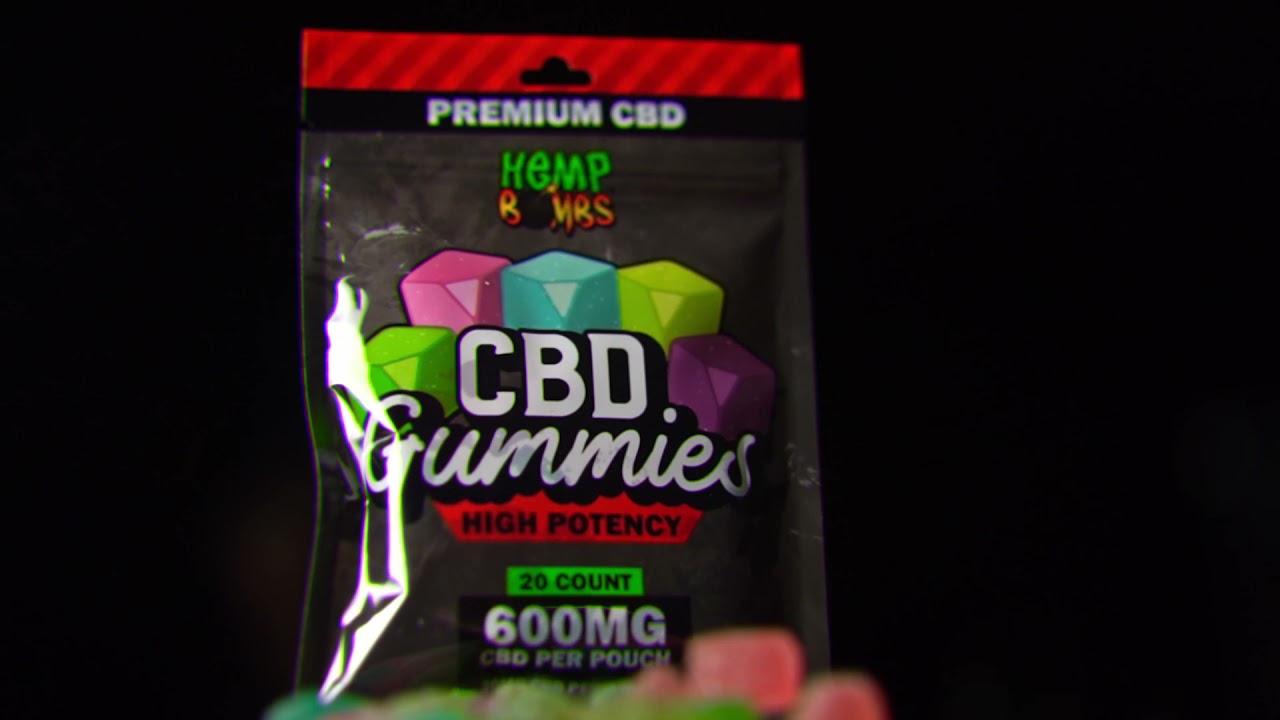
CBD-infused products, including gummies, teas, and skin care items, have surged in popularity as people seek more natural ways to manage stress and anxiety. These products provide a user-friendly approach to incorporating CBD into daily routines, offering a delicious or convenient way to reap its benefits with minimal fuss. Infused products make it easy for individuals who may not prefer the taste of oils or tinctures to find an enjoyable way to experience the calming effects of CBD.
The incorporation of CBD into palatable forms not only makes usage more enjoyable but also allows for consistent dosing. Users can ascertain a specific amount of CBD in each serving, which aids in establishing effective routines tailored to their mood management. For instance, someone may start their day with a CBD-infused beverage to promote a more relaxed state or take gummies throughout the day to help stave off stress. The variety of options available increases accessibility and provides flexibility in how people choose to integrate enjoyment into their wellness strategies.
Nevertheless, it is crucial to consider the quality of these infused products. Many commercial edibles may contain added sugars, preservatives, or artificial ingredients that could undermine their health benefits. Consumers should prioritize products that emphasize natural ingredients and provide transparency regarding CBD content and manufacturing processes. As part of a broader mental health care plan, CBD-infused products can serve as a delightful complement to lifestyle adjustments and therapeutic practices, reinforcing one’s journey toward better mood stability.
Addressing Common Questions About CBD Oil and Depression
The rise in the popularity of CBD oil has generated numerous questions among individuals seeking alternative treatments for depression. One prevalent question is, “How does CBD oil work for depression?” CBD interacts with the body’s endocannabinoid system, which helps regulate mood, stress response, and emotional balance. By influencing receptor activity in the brain, CBD may help alleviate feelings of anxiety and sadness, promoting an overall sense of well-being.
Another common concern is regarding the legality and safety of CBD oil. As a hemp-derived substance, CBD products containing less than 0.3% THC are federally legal in the United States. However, laws may vary by state, and it’s essential to verify local regulations before purchasing CBD oil. When it comes to safety, CBD is considered to have a good safety profile, but it’s crucial that users seek out high-quality products and consult healthcare providers to avoid potential interactions with other medications.
Individuals often ask about dosages and frequency of use. Since CBD oil affects everyone differently, starting with a low dose is recommended, gradually increasing until desired effects are achieved. Consistency is key; incorporating CBD oil into daily routines may yield better results as it allows the body to build a tolerance. Lastly, while many experience positive effects from CBD oil, it’s vital to remember that it is not a one-size-fits-all solution. Those experiencing severe depression should continue to seek medical advice and treatment, as CBD oil is best viewed as a complementary tool rather than a standalone cure.