
Understanding CBD Gummies and Their Composition
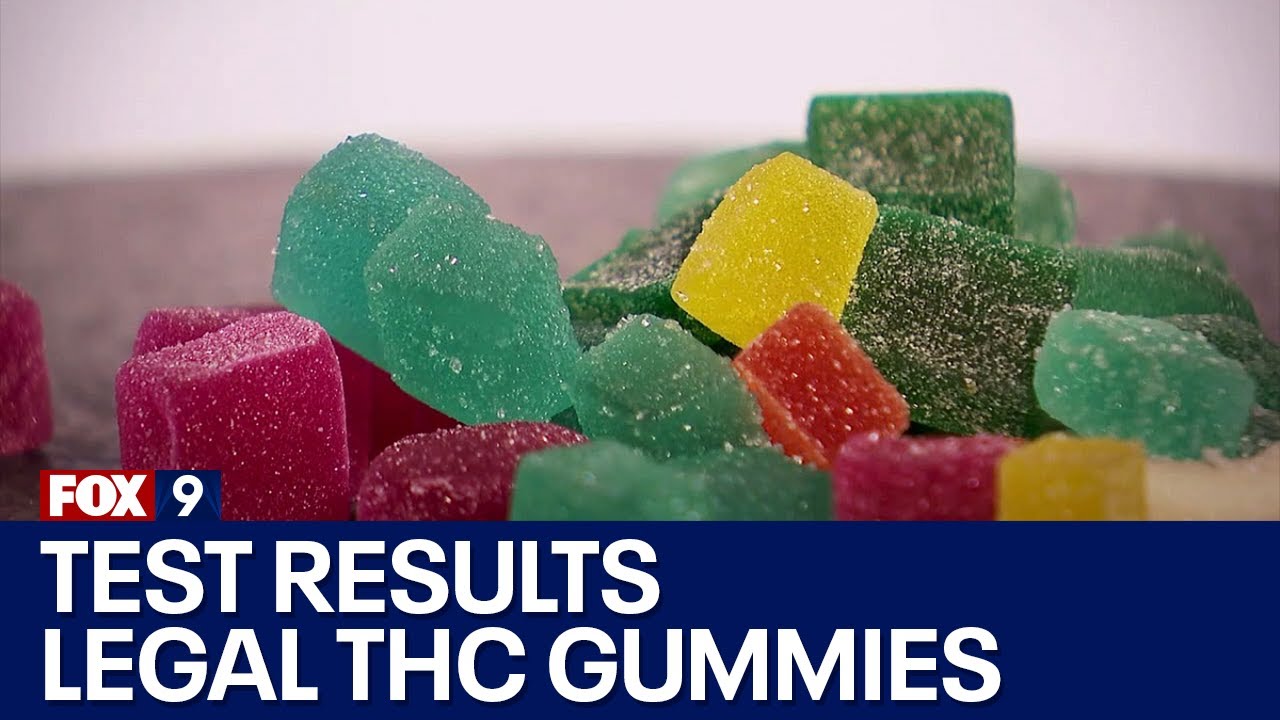
CBD gummies have gained immense popularity over the years due to their convenient form of consumption and the numerous health benefits attributed to cannabidiol (CBD), a compound derived from the cannabis plant. These chewy edibles typically contain a predetermined dose of CBD in a gummy candy form, making them an appealing choice for individuals who may be hesitant about traditional cannabis products. With flavors ranging from fruity to sour, CBD gummies offer not only therapeutic benefits but also a delightful taste. It’s essential to understand the ingredients that make up these gummies, as they can impact their shelf life and storage conditions.
The primary component of CBD gummies is, of course, CBD oil, which is extracted from hemp plants. It is important to note that hemp-derived CBD contains low levels of THC, the psychoactive compound in cannabis, which ensures that consumers do not experience any high sensations. Alongside CBD oil, gummies usually contain sugar, gelatin, and flavoring agents. Some brands may also add additional vitamins, minerals, or herbal extracts to enhance the health benefits. The combination of these ingredients can influence how long the gummies last and how they should be stored.
Understanding the shelf life of CBD gummies can help consumers make informed decisions around usage and storage. Most manufacturers provide an expiration date or “best by” date on their products, which is a crucial guideline for maintaining efficacy and safety. While you may be tempted to keep your gummies as long as possible, knowing the right storage conditions can help extend their longevity and preserve their therapeutic properties. As we examine the shelf life and proper storage methods, we can better appreciate how to maintain the quality of CBD gummies for optimal use.
Factors Influencing Shelf Life of CBD Gummies
The shelf life of CBD gummies is influenced by various factors, most notably the ingredients used, the production process, and packaging methods. Generally speaking, gummies that contain natural ingredients without preservatives tend to have a shorter shelf life than those using artificial flavors and preservatives. This is because natural ingredients are more prone to spoilage. Consumers should look for products with minimal ingredients; however, if longevity is a concern, brands that include preservatives might be the better option.
Another critical factor is the manufacturing process. CBD gummies produced through methods that ensure the preservation of their constituents, such as cold-pressing or advanced extraction techniques, generally have enhanced shelf life. In contrast, poorly manufactured gummies might not last as long and could degrade in quality faster. Pay attention to brands that prioritize quality and transparency in their production methods, as this can signal a product’s willingness to invest in maintaining its integrity through to consumption.
Packaging also plays a substantial role in determining how long CBD gummies last. Gummies stored in airtight, light-proof containers can resist moisture and air exposure, both of which can lead to spoilage. On the other hand, products that come in transparent packaging are more susceptible to light and environmental factors that may decrease their shelf life. Consumers should aim to choose gummies in high-quality packaging that protects against external elements such as humidity and light, ensuring that they last longer.
Storage Tips for Prolonging CBD Gummies’ Shelf Life
To effectively extend the shelf life of CBD gummies, consumers must be diligent about their storage practices. The first and foremost tip is to keep gummies in a cool, dry place away from direct sunlight. Temperature fluctuation can affect the gummies’ texture and potency, so it is advisable to store them in a pantry or cupboard that remains relatively stable in temperature. Avoid storing gummies in high-humidity areas like bathrooms or kitchens, as moisture can encourage mold growth.
Another excellent practice is to ensure that the gummies stay in their original packaging until they are ready to be consumed. This packaging is specifically designed to protect the gummies from external factors that may alter their quality. If the original container is no longer available, consider transferring the gummies to an airtight glass or plastic container with a secure lid to prevent air and moisture from affecting the product.
Additionally, regularly check the condition of your gummies. Over time, if they develop an off smell, strange appearance, or unpalatable texture, it is best to err on the side of caution and discard them. Even if gummies look and smell fine, if they are past their expiration date, it’s advisable to avoid consuming them. By taking these precautions, consumers can better ensure that their CBD gummies remain safe and effective for a more extended period.
Pitfalls of Consuming Expired CBD Gummies
Consuming expired CBD gummies can present several risks that consumers should be aware of. The most significant concern is related to efficacy; as gummies age, the potency of the CBD may diminish, meaning that individuals might not receive the intended therapeutic benefits. This degradation can lead to increased difficulty in managing conditions for which users may have turned to CBD, such as anxiety or chronic pain.
Furthermore, while expired gummies are unlikely to cause severe harm, they may lead to unpleasant side effects if they have degraded significantly. The ingredients, especially natural ones, can break down and lead to a change in taste or texture, potentially resulting in nausea or digestive discomfort upon consumption. Thus, it’s essential to consider the possibility of a diminished quality of experience if choosing to consume gummies past their shelf life.
Another important aspect is the risk of contamination over time. During the storage process, environmental factors can cause the gummies to mold or be affected by pest exposure if not adequately sealed. Consuming such food items can lead to food poisoning or other health issues. To safeguard your health, always prioritize freshness and opt to consume products well within their shelf life, ensuring that you derive the maximum benefit from your CBD gummies without unnecessary risks.
Frequently Asked Questions About CBD Gummies Expiration
Consumers often have many questions about the expiration and shelf life of CBD gummies. One frequent query is regarding how long CBD gummies last on average. Typically, depending on the brand and ingredients, CBD gummies can last anywhere from six months to two years. It’s crucial to check the expiration date on the packaging for specific guidance and adhere to that for optimal consumption.
Another common question surrounds the proper way to store CBD gummies. For best results, they should be kept in a cool, dark place away from moisture. Sealing them in an airtight container can help maintain quality and flavor. Avoiding exposure to sunlight and high temperatures will also assist in prolonging their shelf life. Always keep check on storage conditions to ensure the gummies remain fresh for your use.
Finally, many users wonder whether it is safe to consume CBD gummies that have passed their expiration dates. While consuming expired gummies is generally not harmful, the effectiveness of the CBD may be compromised, and there may be changes in taste or texture. To avoid potential adverse effects, it is advisable to consume gummies before their expiration date and to discard them if they show any signs of spoilage. Maintaining awareness about expiry dates and storage can significantly impact your overall experience with CBD gummies.