

Understanding the Shift in CBD Trends
The landscape of cannabidiol (CBD) has been evolving rapidly, driven by a growing interest in its therapeutic benefits and the implications of its legalization across many regions. As public perception of CBD shifts from skepticism to acceptance, the market has seen unprecedented growth, and enthusiasts are on the lookout for the latest trends to stay ahead. Initially popularized through anecdotal evidence and media coverage, scientific research is gradually emerging to support claims surrounding CBD’s potential benefits for various ailments including anxiety, chronic pain, and inflammation. With this evolving narrative, the need for accurate information and responsible consumption has never been more crucial.
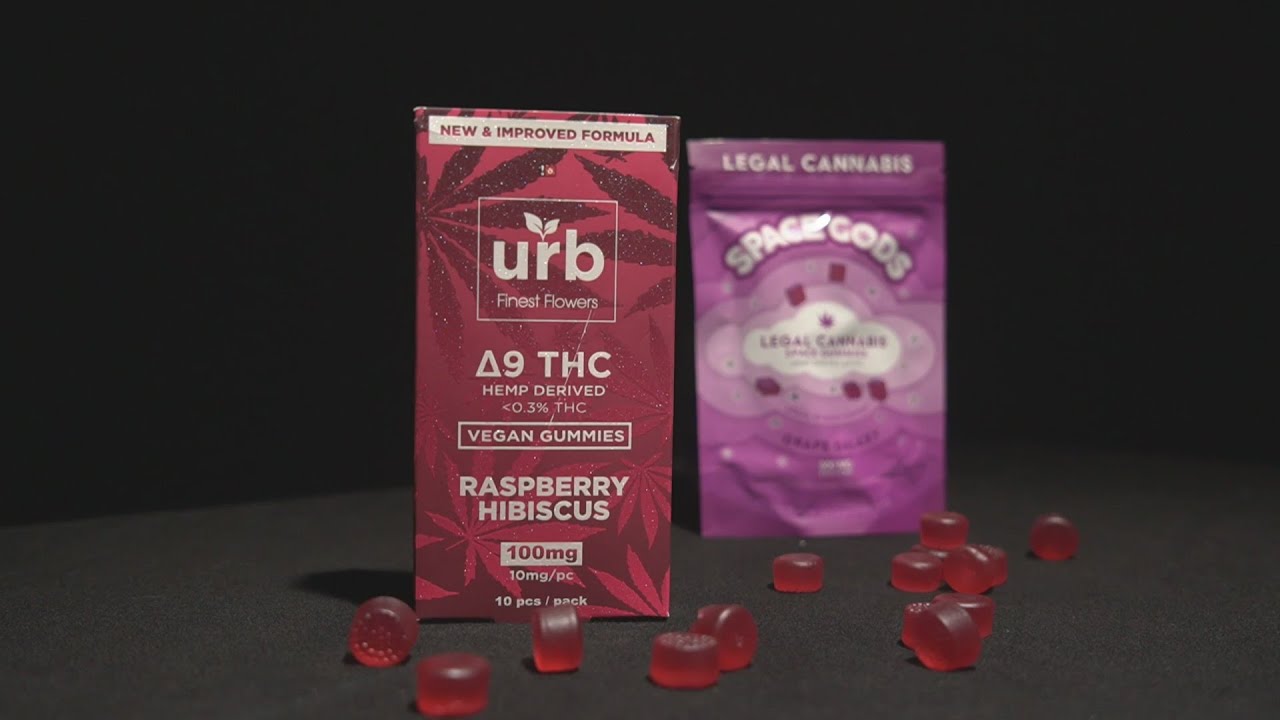
The CBD market has evolved from a niche segment to a billion-dollar industry, prompting entrepreneurs and established companies alike to explore its potential. Differentiation in product offerings has become essential as competition escalates. We see a robust trend towards specialization, with an array of products tailored for specific needs, such as CBD-infused beverages, topicals, and even pet products. As the industry matures, understanding current trends is vital for consumers to make informed choices, ensuring they purchase quality products that meet their expectations and health goals.
Furthermore, as regulatory frameworks surrounding CBD continue to develop, companies and consumers alike are adapting to comply with new laws and guidelines. This regulatory scrutiny emphasizes the importance of transparency regarding product contents and sourcing. Brands are beginning to prioritize third-party testing and certifications, which assures consumers that they are using high-quality products free from harmful substances. As the market expands, understanding these trends becomes crucial not only for enthusiasts but also for those new to CBD. In this article, we will delve into five prominent trends that are shaping the future of CBD and informing the choices of consumers.
The Rise of Full-Spectrum CBD Products
Full-spectrum CBD products have gained significant traction among enthusiasts due to their potentially enhanced therapeutic effects compared to isolated forms of CBD. Full-spectrum products contain a variety of cannabinoids, terpenes, and flavonoids found in the cannabis plant, which are believed to work synergistically to create what is known as the “entourage effect.” This synergy can enhance the potential benefits of CBD and improve its efficacy. For many users, this is especially appealing as they look for comprehensive solutions to their health challenges.
Studies hint that full-spectrum products may provide superior relief for conditions like pain, anxiety, and insomnia, compared to CBD isolates that contain only cannabidiol. The popularity of full-spectrum products is further bolstered by anecdotal evidence as users share their experiences and highlight the effectiveness of these multifaceted solutions. As such, consumers who prioritize holistic wellness are increasingly gravitating towards full-spectrum options, which encompass a broader range of therapeutic compounds.
However, consumers should also be aware of the differences between full-spectrum and other types of CBD, such as broad-spectrum and CBD isolate. Broad-spectrum CBD contains multiple cannabinoids but excludes THC, making it an appealing option for those who want to avoid psychoactive effects. In contrast, CBD isolate provides only pure CBD. As the market for full-spectrum products grows, transparency in labeling and testing becomes even more critical, ensuring that consumers understand what they are buying and the nature of the effects they can expect.
Innovative CBD Delivery Methods
The CBD market is witnessing a surge in innovative delivery methods that cater to diverse consumer preferences and lifestyles. Traditional methods such as oils and capsules are still popular, but new formats, such as beverages, gummies, and topical applications, are gaining momentum. These innovative options not only enhance customer experience but also simplify consumption, making it easier for users to integrate CBD into their daily routines. Consumers are now more likely to prefer tasty and convenient options that fit seamlessly into their lifestyle.
For instance, CBD-infused beverages have become increasingly popular among consumers seeking refreshing ways to consume CBD. From sparkling waters to coffee, these products offer an enjoyable experience while providing the benefits of CBD. Gummies, often favored for their flavor and fun appearance, are another popular delivery method, particularly among those new to CBD. The appealing aspect of these delivery methods is their ability to mask the earthy taste often associated with CBD oils, making them more palatable for mainstream audiences.
Topical CBD products, such as creams and balms, add another layer to the delivery landscape, targeting localized pain and inflammation while avoiding systemic absorption. This makes them ideal for athletes and individuals seeking relief in specific areas without the effects often associated with consumption. As these innovative delivery methods evolve, consumers can expect a broader range of options that cater to varying preferences, expanding the appeal of CBD across demographics and lifestyle choices.
Increased Focus on Quality and Transparency
With the expanding market, there is a noticeable trend towards greater emphasis on quality assurance and transparency among CBD brands. As consumers become more discerning and informed, they are demanding clearer labeling and third-party testing as assurances of product quality. This demand is largely driven by concerns about contamination, potency, and the presence of harmful substances in CBD products. Reputable brands that prioritize transparency can build trust and loyalty with consumers, as they demonstrate accountability and reliability.
Many contemporary consumers expect products to carry certification from independent lab tests, which verify that what is stated on the label is accurate. These tests not only confirm cannabinoid content but also assess for the presence of pesticides, heavy metals, and other contaminants. Such transparency is essential in building consumer confidence, particularly in an industry historically fraught with misinformation and mislabeling. Brands that actively share lab results and information about their sourcing practices are likely to stand out in a crowded market.
Moreover, the trend of prioritizing organic and sustainably sourced ingredients is on the rise. Many consumers are now actively seeking products that are not only effective but also environmentally conscious. Brands that utilize organic hemp and environmentally friendly extraction processes often gain favor with discerning consumers who are mindful of their health and the planet. The increased focus on quality and transparency not only advances consumer education but also cultivates a more ethical CBD market overall.
CBD for Wellness and Self-Care
As the concept of holistic health gains popularity, more individuals are integrating CBD into their wellness and self-care routines. This trend reflects a broader societal shift towards prioritizing mental health, stress management, and overall well-being. Experts suggest that CBD’s calming properties may contribute to improved mental health outcomes, leading to a growing demand for products that help mitigate anxiety and stress. Wellness enthusiasts are incorporating CBD into everything from yoga practices to meditation sessions, blending traditional self-care rituals with modern solutions.
Additionally, the beauty and skincare industry is embracing CBD with open arms, introducing a variety of beauty products infused with cannabidiol. CBD’s antioxidant and anti-inflammatory properties make it a desirable ingredient in skincare, promising potential benefits such as reduced redness, improved hydration, and enhanced skin clarity. As more consumers acknowledge the importance of self-care, the incorporation of CBD-infused beauty products becomes a natural evolution in maintaining both physical and mental well-being.
Furthermore, the trend towards using CBD for sleep improvement is becoming increasingly prevalent. Many enthusiasts testify to the soothing effects of CBD that help them achieve restful sleep without the groggy side effects often associated with traditional sleep aids. As awareness spreads, a slew of sleep-focused CBD products are emerging, ranging from edibles to oils specifically formulated to enhance sleep quality. This incorporation of CBD into wellness routines signifies a shift towards more conscious living, as individuals are increasingly seeking natural ways to enhance their overall quality of life.
Growing Legislative and Market Developments
The legislative landscape surrounding CBD continues to evolve, significantly impacting market dynamics and consumer access. In recent years, an increasing number of states and countries have begun to embrace pro-CBD regulations, recognizing its potential therapeutic benefits. This shift not only expands the market opportunities for businesses but also increases consumer access to CBD products. Enthusiasts are now more confident in exploring and purchasing products that comply with safety standards and regulations.
As regulations develop, brands are also adapting their business strategies to keep pace with legal requirements. Transparency in advertising and labeling is more critical than ever, as regulatory bodies are cracking down on misleading claims. Companies must ensure their marketing aligns with legal parameters and accurately reflects the product’s purpose and benefits. This need for compliance fosters a more responsible and ethical marketplace, reassuring consumers about their choice of products.
Moreover, the growing interest in CBD research is paving the way for enhanced understanding and acceptance of the compound in medical communities. Universities and research institutions are increasingly investing in studies to explore the therapeutic potential of CBD further. These research initiatives not only contribute to a more informed dialogue about CBD but also spark governmental action in favor of establishing clearer regulations and guidelines for its use. As legislative developments unfold, both consumers and businesses are likely to experience newfound opportunities, fueling continued growth and evolution in the CBD industry.
Key Takeaways and Common Inquiries
As we explore the burgeoning realm of CBD, it is essential to recognize that the trends highlighted in this article provide valuable insights into the evolving market. From the growing preference for full-spectrum products to the innovative delivery methods making CBD accessible across demographics, enthusiasts have a wealth of options to choose from. With a heightened focus on quality and transparency and a commitment to wellness, consumers can make educated decisions while navigating the complexities of CBD.
Frequently, consumers might raise questions regarding the efficacy and safety of CBD use. It’s crucial to understand that individual experiences may vary, and the effectiveness of CBD can depend on numerous factors, including dosage and the physiological makeup of the user. Enthusiasts are encouraged to start with lower dosages and gradually increase as necessary, allowing for better understanding and adaptation. Consulting with healthcare professionals is also an advisable practice, ensuring tailored advice catering to unique health circumstances.
Furthermore, misconceptions about CBD persist in popular discourse. Many consumers wonder about its legality and the distinction between hemp-derived CBD and marijuana. Hemp-derived CBD is federally legal in various countries, provided it contains less than 0.3% THC. This makes a significant difference, allowing consumers to access CBD products without the psychoactive effects associated with other cannabis products. As the legal landscape continues to clarify, the acceptance of CBD is likely to grow, inviting more individuals to explore its potential benefits and various applications.