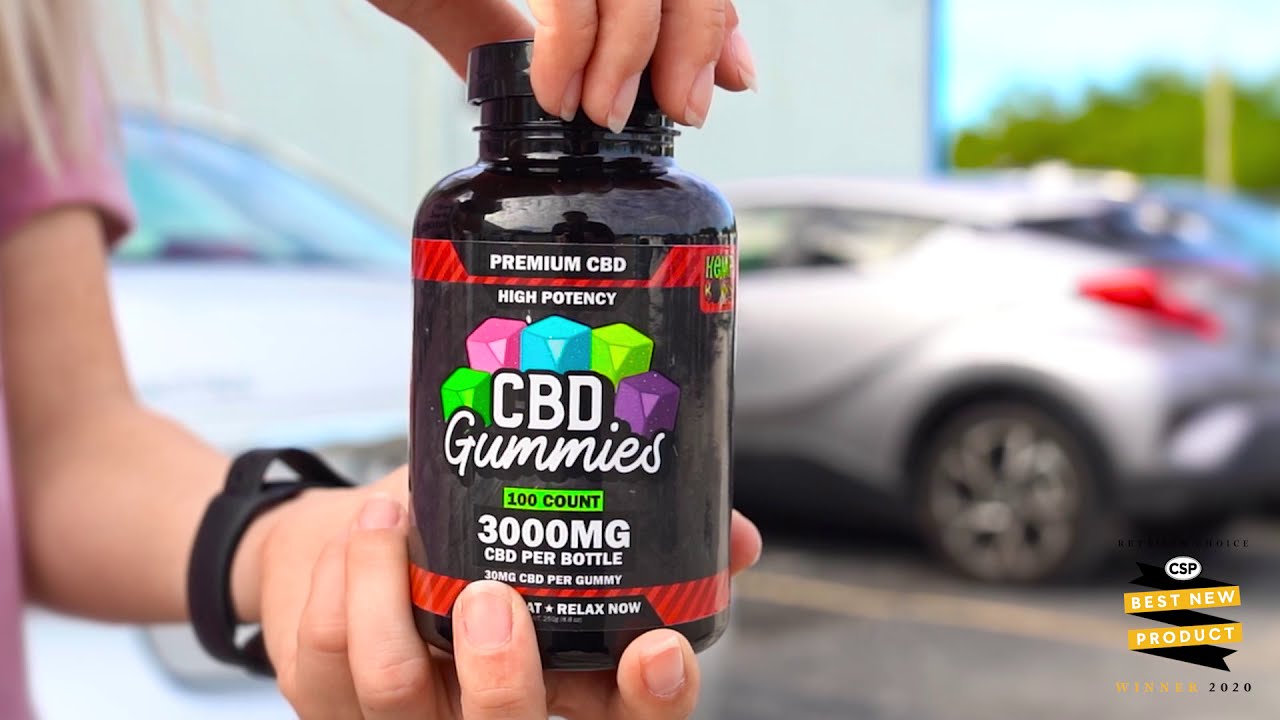

Understanding CBD: The Therapeutic Potential of High-Dose Options
In recent years, the therapeutic applications of cannabidiol (CBD) have surged in popularity, driven by an increasing body of evidence underscoring its benefits in managing various health conditions. From chronic pain to anxiety disorders, CBD has emerged as a potentially powerful remedy, prompting both consumers and researchers to delve deeper into its high-dose variations. High-dose CBD products are formulated to provide maximized relief, offering myriad benefits for those who may require more substantial outcomes from their treatments. It is essential to explore the nuances of high-dose CBD, its potential effectiveness, and the specific conditions it can address to understand its role fully.
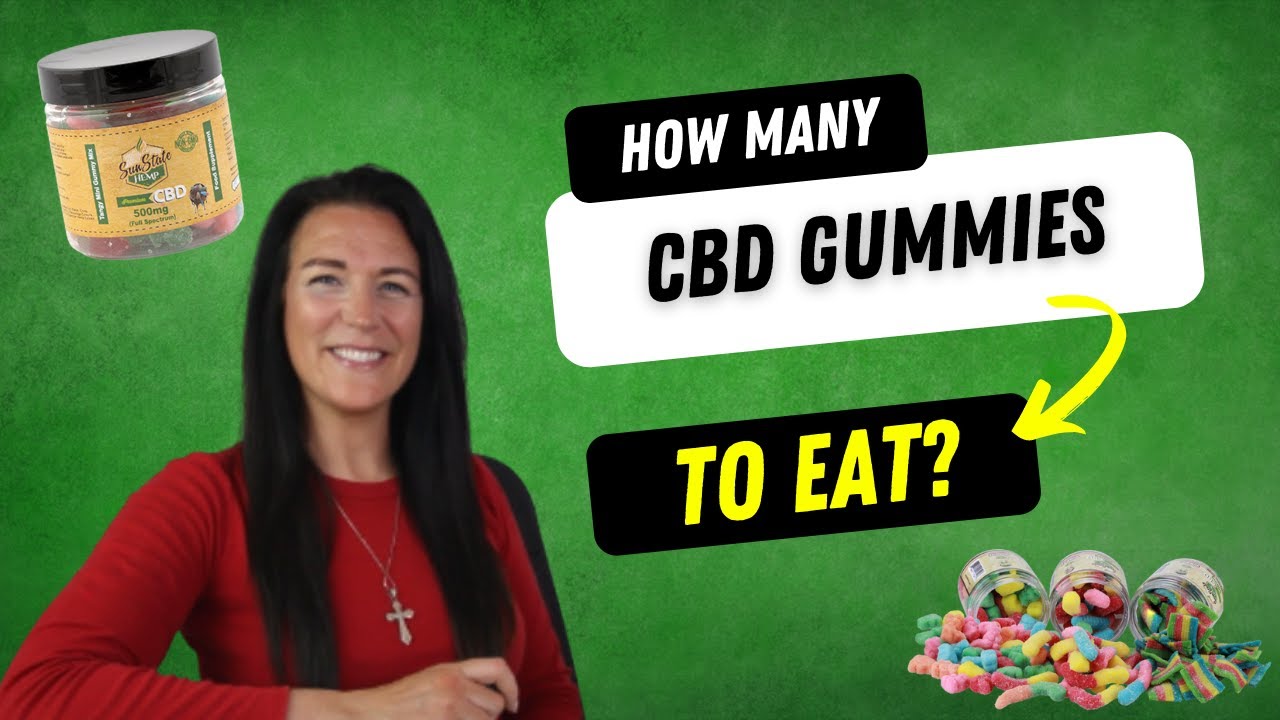
The appeal of high-dose CBD lies in its potential to deliver stronger therapeutic effects, especially for individuals who may have developed a tolerance to lower doses or are seeking more substantial relief. This potency can be particularly beneficial for managing acute pain, severe anxiety, or other debilitating conditions where standard dosages may fall short. The administration of higher doses often channels cannabinoids into the system in a manner that can yield quicker and more significant results. Understanding how to approach high-dose options safely and effectively is vital for anyone considering incorporating these products into their wellness routines.
However, it is important to note that the journey towards high-dose CBD usage must be taken with caution. Individual reactions to CBD can vary widely based on factors such as body weight, metabolic rate, and personal health conditions. Additionally, the purity and quality of CBD products can also impact their efficacy and safety. This underscores the necessity for consumers to do their research, consult healthcare professionals when necessary, and choose reputable brands that provide lab-tested products. By navigating these aspects carefully, individuals can harness the full potential of high-dose CBD for maximum relief and improved quality of life.
High-Dose CBD: What It Is and How It Works
High-dose CBD typically refers to formulations that contain a significantly higher concentration of cannabidiol compared to standard products. While the precise threshold for what constitutes a “high dose” may vary, it generally involves doses exceeding 50mg per day. The increased potency in high-dose formulations is designed to offer greater therapeutic effects, which can be appealing for those suffering from conditions unresponsive to lower doses. But what can users expect when they incorporate high-dose CBD into their regimen?
The endocannabinoid system (ECS) plays a crucial role in how CBD interacts with the body. This system comprises receptors, endocannabinoids, and enzymes, working together to maintain homeostasis. CBD, as a phytocannabinoid, interacts with cannabinoid receptors in the ECS, specifically the CB1 and CB2 receptors, to induce various physiological effects. By using higher doses, the interaction between CBD and these receptors is intensified, leading to pronounced effects such as enhanced pain relief, reduced anxiety, and improved sleep quality. Certain studies suggest this increased interaction may elicit more considerable effects in specific receptor sites, contributing to the overall therapeutic benefits.
Moreover, the method of consumption can affect how high-dose CBD impacts the body. Whether taken as an oil, isolate, capsule, or topical, each method offers distinct pharmacokinetics that can influence absorption rates and efficacy. High-dose CBD oil, for instance, is often favored for its quicker absorption via the sublingual method, whereas edibles may provide a slower release. Understanding these differences assists users in tailoring their method of consumption to their specific health needs and lifestyle while maximizing the benefits of high-dose CBD.
Target Conditions for High-Dose CBD Treatment
High-dose CBD has shown promise in a variety of medical conditions, particularly for those that are chronic or debilitating in nature. Conditions such as chronic pain associated with arthritis or fibromyalgia have been reported as responsive to high doses of CBD. The anti-inflammatory properties of cannabidiol can alleviate discomfort, reduce swelling, and promote overall wellbeing. For individuals who have struggled with traditional pain management, turning to high-dose CBD may offer a pathway to managing their symptoms more effectively.
Another significant area is mental health management; high-dose CBD has become a focal point for those suffering from anxiety and depression. Cannabidiol interacts with neurotransmitters in the brain, potentially providing an alternative to pharmaceuticals that come with various side effects. Its anxiolytic and antidepressant-like effects have been observed in both clinical and anecdotal scenarios, suggesting that higher doses could provide effective relief for individuals requiring more substantial interventions to manage their mental health. People dealing with post-traumatic stress disorder (PTSD) have also reported enhanced symptom management with high-dose CBD, showcasing its potential in psychiatric applications.
Conditions related to insomnia have led many individuals to explore high-dose CBD as a natural sleep aid. With growing evidence suggesting that CBD may improve sleep quality and duration, this cannabinoid has attracted attention from those battling sleep disturbances. Using high-dose formulations can help expedite the onset of sleep and promote deeper rest, which is essential in enhancing overall health. Sleep deprivation has a cascading effect on health and well-being, making high-dose CBD an appealing option for those seeking restorative sleep.
Safety Considerations and Potential Side Effects of High-Dose CBD
<pWhile high-dose CBD can offer numerous benefits, it is crucial to approach its use with an understanding of potential side effects and safety considerations. One of the most frequently discussed concerns is the possibility of experiencing adverse effects, which can include dizziness, fatigue, and gastrointestinal disturbances. Although CBD is generally well-tolerated, individuals considering high doses must be aware of their body’s response. It is often recommended to begin with a lower dose and gradually increase until desired effects are achieved, allowing for adaptation and minimizing the likelihood of discomfort.
Drug interactions represent another vital area of concern when it comes to high-dose CBD usage. CBD can interfere with the metabolism of certain pharmaceuticals by affecting the cytochrome P450 enzyme system. This interaction can alter the effectiveness of prescribed medications and lead to unintended consequences, particularly for individuals on multiple medications. Therefore, it is essential for users to consult healthcare providers prior to commencing high-dose CBD, especially for those with pre-existing conditions or currently undergoing treatment.
On the topic of long-term safety, research is ongoing to better understand the long-term effects of high-dose CBD consumption. While many studies indicate that short-term use appears safe, comprehensive long-term studies are limited. Users should consider this lack of long-term data while making informed decisions about their health and wellness, recognizing that responsible usage and adequate monitoring are crucial in maximizing benefits while minimizing risks. Keeping track of any side effects, changes in symptoms, or unusual responses can prove beneficial in assessing the overall experience of high-dose CBD.
Integrating High-Dose CBD Into Your Wellness Plan
Incorporating high-dose CBD into a personal wellness plan involves careful consideration and individualized adjustments to fit one’s lifestyle and health goals. Users should start by consulting healthcare professionals who are knowledgeable about CBD and its potential applications for their conditions. A healthcare provider can offer guidance that aligns with individual health needs and suggest appropriate dosages. Based on one’s medical history, physical condition, and goals, they can also help formulate a personalized approach that promotes safety and effectiveness.
When selecting high-dose CBD products, consumers are encouraged to prioritize quality and transparency. Opting for brands that provide third-party lab testing can ensure the product’s purity and potency. This advantage allows users to consume high-quality CBD without concerns about harmful additives or inaccurate dosing. Reading product labels is essential to understand the concentration of CBD per serving and any other ingredients that may complement or interfere with its effects. Users might also consider exploring cannabis dispensaries that focus on high-quality products, as those can often provide more detailed information about variations and applications.
Once an individual has selected a product, monitoring one’s response over time becomes essential. Keeping a journal documenting doses, timings, effects, and any side effects can help establish a clearer picture of how high-dose CBD is influencing overall health. This practice assists not only in adjusting the dosage but also in identifying the most effective consumption methods. Lastly, being patient with the process is vital, as finding the ideal high-dose CBD regimen is no small feat and often requires time and adjustments.
FAQ: High-Dose CBD Essentials
High-dose CBD can offer significant therapeutic benefits, but consumers often have numerous questions regarding its use. Key inquiries frequently arise about what the exact dosage should be, potential long-term effects, and best product types. When determining the optimal dosage, it is crucial to remember that individual responses to CBD can differ significantly. Factors such as body weight, medical history, and desired effects all play a role in establishing the right amount to start with.
Many users wonder whether high doses may lead to dependency or addiction. Research suggests that CBD is non-addictive and does not produce the euphoric effects associated with tetrahydrocannabinol (THC), another cannabis compound. Thus, while one can take CBD regularly due to its noted benefits, there is minimal risk of developing a dependency like one might with traditional pharmaceuticals. However, diligence in monitoring personal health and responses remains essential.
Lastly, consumers often question the best methods of incorporating high-dose CBD into their daily routines. Some people prefer oils for the rapid effects associated with sublingual administration, while others opt for capsules for convenience and precise dosing. Edibles are also popular for those who appreciate a longer-lasting effect but may have slower onset times. Regardless of the chosen method, the priority remains on finding a routine that aligns well with individual health goals and daily schedules, ensuring that high-dose CBD can optimally support wellness journeys.