

Understanding Eliquis and CBD Gummies
Eliquis, a direct oral anticoagulant, is primarily used to reduce the risk of stroke and blood clots in patients with certain heart conditions, specifically atrial fibrillation. It functions by inhibiting Factor Xa, a crucial component in the blood clotting process. The use of anticoagulants such as Eliquis allows for more manageable blood thickness levels, which is vital for individuals prone to thromboembolic events. On the other hand, CBD gummies are a popular form of cannabidiol, a compound derived from the cannabis plant that has captivated public interest due to its potential therapeutic benefits. These gummies offer a convenient, discreet, and palatable means of consuming CBD, appealing to a wide audience looking to address various health issues, such as anxiety, pain, inflammation, and sleep disorders.
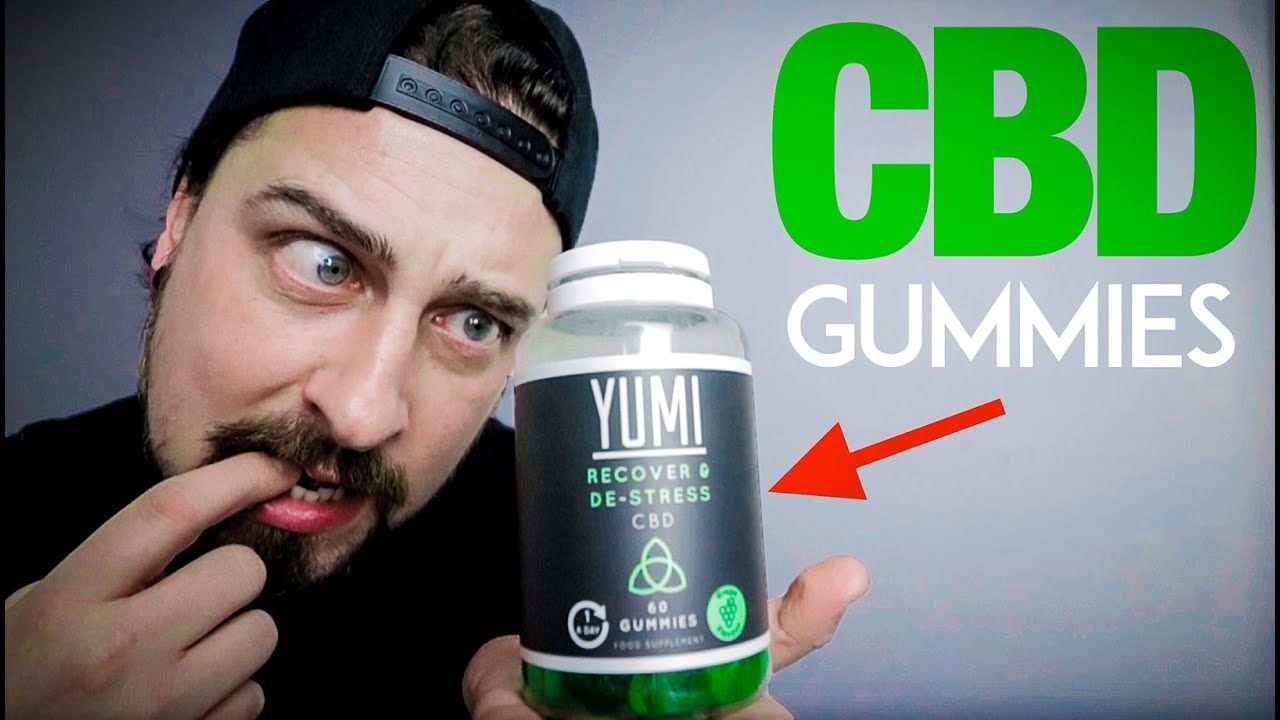
The growing popularity of CBD products has spurred a myriad of studies examining their safety and efficacy. However, the interaction of CBD with prescription medications such as Eliquis raises important safety considerations. CBD is known to influence the metabolism of various drugs by interacting with liver enzymes, particularly the cytochrome P450 family, which is responsible for drug metabolism. As a consequence, individuals taking Eliquis may experience altered drug levels in their systems if they also consume CBD. Understanding these interactions is crucial for ensuring patient safety and effectiveness of treatment.
https://youtube.com/watch?v=jhL8jYsBteA
The convergence of these two substances—Eliquis for anticoagulation and CBD for its therapeutic effects—marks an area of concern that requires diligent examination. As patients increasingly seek natural remedies to complement their prescribed medications, healthcare providers must be informed about the ramifications of such combinations. Therefore, a comprehensive exploration of the safety and interaction risks associated with using Eliquis alongside CBD gummies is imperative. Through this exploration, we aim to highlight the potential benefits, risks, and best practices for patients looking to navigate this complex landscape.
Eliquis: Mechanism, Use, and Side Effects
Eliquis is an anticoagulant that is critical in managing patients at risk of developing blood clots. Its primary mechanism involves the selective inhibition of Factor Xa, a pivotal enzyme in the coagulation cascade. This inhibition effectively reduces thrombin generation, thereby decreasing clot formation. Eliquis is primarily prescribed for patients with atrial fibrillation and those who have undergone surgeries such as hip or knee replacements. The medication’s ease of use, in comparison to traditional anticoagulants that require regular monitoring, underscored its acceptance among both healthcare practitioners and patients.
<pDespite its advantages, Eliquis is not devoid of side effects and risks. Common adverse effects include bleeding complications, which are a notable concern given the drug's anticoagulant properties. Patients may experience symptoms such as unusual bruising, prolonged bleeding from cuts, or bloody urine. More severe but less common side effects include an increased risk of spontaneous bleeding into the brain or abdominal cavity. Therefore, regular check-ups and patient education on recognizing signs of bleeding are essential components of treatment. Understanding these risks allows patients to make informed decisions when considering additional supplements or natural products like CBD.
The decision to use Eliquis should always involve a thorough assessment of the patient’s health status, potential drug interactions, and lifestyle factors. Given its presence in the bloodstream and effects on body functions, the integration of other substances, particularly CBD, may mitigate or amplify its intended effects. Patients should discuss their full lists of medications and supplements with their healthcare providers, ensuring that any potential interactions are identified and managed from the onset of treatment.
CBD Gummies: Benefits and Concerns
Cannabidiol (CBD) is widely recognized for its potential therapeutic benefits, particularly in alleviating symptoms related to anxiety, chronic pain, and sleep disorders. Unlike THC, another prominent cannabis compound, CBD does not induce psychoactive effects, making it an appealing alternative for those seeking relief without experiencing a high. The formulation of CBD into gummy form enhances its accessibility and ease of use, allowing individuals to incorporate it seamlessly into their daily routines. This method of consumption has gained traction, particularly among those who might be hesitant to use oils or vaporizers.
The benefits of CBD are supported by a growing body of anecdotal and scientific evidence, although more rigorous research is necessary to determine its efficacy comprehensively. Preliminary studies suggest that CBD may exert anti-inflammatory properties and modulate neurological pathways, which can lead to symptomatic relief for conditions like arthritis, epilepsy, and insomnia. However, despite these promising outcomes, the quality and concentration of CBD products can vary greatly, leading to concerns about purity and potency. This inconsistency can affect treatment outcomes and safety for individuals, particularly when combined with other medications.
<pMoreover, the lack of regulation in the CBD market presents additional challenges. Consumers may be exposed to products that contain unwanted additives or inaccurate labeling regarding CBD concentration. This variance is particularly critical for individuals on anticoagulants like Eliquis, as any change in the bioavailability of medications due to CBD consumption could lead to unintended health consequences. Ensuring that CBD gummies are sourced from reputable manufacturers that provide third-party testing results is essential to mitigate risks. Patients should approach CBD with caution, seeking professional guidance when integrating it into their healthcare regimen, particularly in conjunction with prescription medications.
Potential Interactions Between Eliquis and CBD Gummies
The combination of Eliquis and CBD raises important questions regarding safety, particularly concerning drug metabolism and effectiveness. As noted, CBD interacts with liver enzymes, particularly those in the cytochrome P450 family, which are responsible for metabolizing various medications, including Eliquis. The consequence of this interaction could potentially lead to increased levels of Eliquis in the bloodstream, resulting in heightened anticoagulant effects, thereby elevating the risk of bleeding complications. Conversely, if CBD inhibits the therapeutic effects of Eliquis, patients may face an increased risk of clotting events.
<pUnderstanding the pharmacokinetics of these substances illustrates the complexity of their interaction. Eliquis undergoes absorption and distribution in the body, where it reaches its peak effect. If CBD alters this trajectory, it may influence how quickly and effectively Eliquis acts in the body. This dynamic underscores the importance of monitoring and adjusting dosages based on individual responses. Patients are encouraged to discuss any use of CBD with their healthcare providers to ensure appropriate adjustments and monitoring protocols are in place.
<pPatients must remain vigilant about any unusual changes in their health status when combining these products. Symptoms such as excessive fatigue, changes in bleeding patterns, or unusual bruising should prompt immediate medical attention. Each patient’s response to medications and supplements can differ vastly, emphasizing the need for personalized care. Collaborative communication between patients and healthcare providers plays a pivotal role in navigating the potential risks associated with combining Eliquis and CBD. Regular follow-ups and open discussions about health changes can guide safer and more effective treatment strategies.
Considerations for Patients on Eliquis Who Wish to Use CBD
Patients taking Eliquis contemplating the use of CBD gummies should prioritize open communication with their healthcare providers. A comprehensive discussion about the reasons for considering CBD, potential benefits, and associated risks fosters a collaborative and informed decision-making process. Each patient’s unique health profile, including age, other medications, and underlying health conditions, can all influence the appropriateness of adding CBD to their regimen.
<pAnother critical aspect is the monitoring of symptoms and side effects after introducing CBD to the treatment plan. It is essential for patients to maintain a detailed log of any changes experienced upon starting CBD, including both positive and adverse effects. This information can assist healthcare providers in making informed decisions regarding medication management, including any necessary dosage adjustments to Eliquis.
<pAdditionally, it is essential to choose high-quality CBD products that are subject to rigorous testing and come from reputable sources. Patients should look for products that disclose CBD concentration and provide third-party lab testing results, which can vouch for the product's safety and efficacy. The goal is to ensure that the integration of CBD into a treatment plan does not compromise the safety and effectiveness of Eliquis, allowing for enhanced overall well-being while minimizing risks.
FAQs and Summary of Safety Considerations
The dialogue surrounding the safety of combining Eliquis and CBD gummies is paramount for patients looking to optimize their health outcomes. Frequently asked questions often revolve around the safety of using CBD while on anticoagulants, particularly concerning risks associated with bleeding and efficacy. Engaging in discussions to clarify misunderstandings helps patients navigate their treatment plans more effectively. It is also essential to inform patients about the potential for varied individual responses to CBD, emphasizing the need for a personalized approach to treatment.
<pPatients should be aware of the importance of regular communication with their healthcare providers when incorporating any new supplement or medication. This practice not only fosters a collaborative approach but allows for ongoing assessments based on the patient’s evolving health status and responses to treatment. Patients should be proactive in asking questions and conveying any changes or concerns as they embark on using CBD alongside Eliquis.
<pIn conclusion, a nuanced understanding of the interaction risks between Eliquis and CBD gummies is critical for ensuring patient safety and achieving desired health outcomes. The intersection of traditional and alternative medicines can offer relief for many; however, doing so without knowledge of potential interactions could result in adverse consequences. Continuous research, patient education, and open lines of communication with healthcare providers are essential in navigating this complex landscape of medication management.