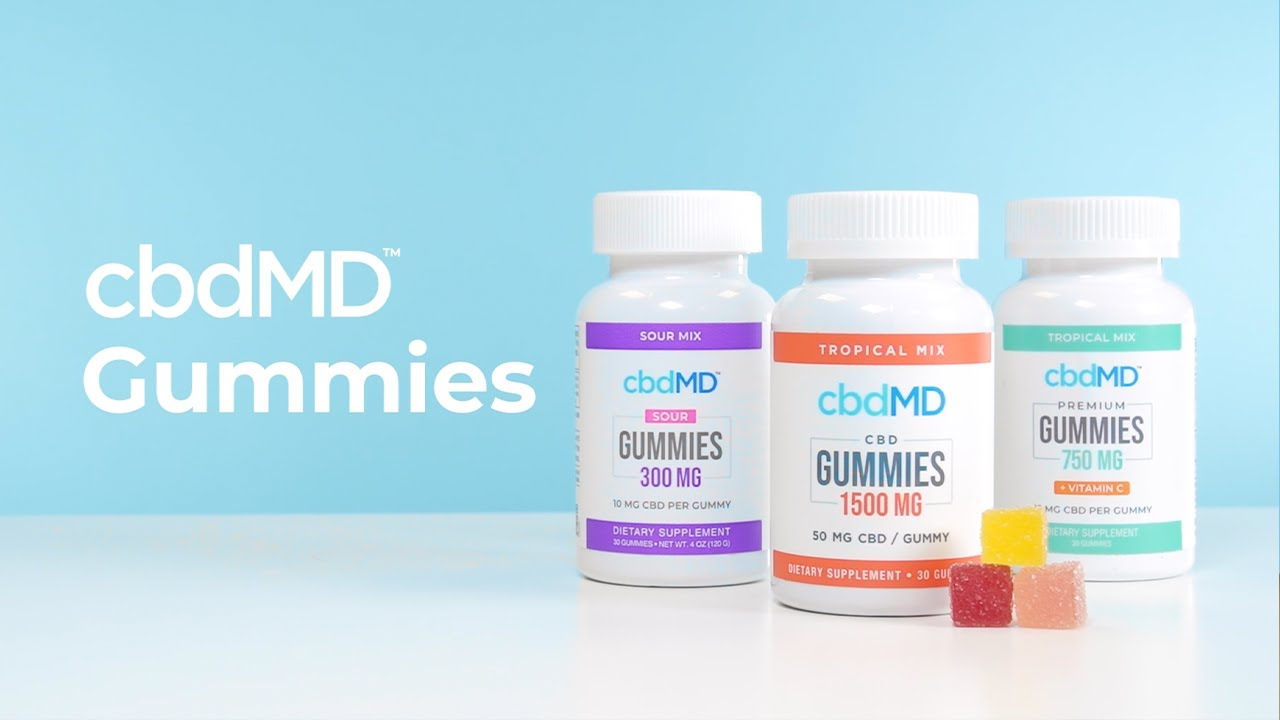

Understanding CBD and Its Benefits for Arthritis Pain
Cannabidiol, commonly known as CBD, has gained significant attention in recent years for its potential therapeutic benefits, particularly for conditions like arthritis. This interest stems from scientific studies suggesting that CBD may provide relief from joint pain and inflammation associated with arthritis, making it a suitable alternative or complement to traditional pain management strategies. Arthritis is characterized by inflammation of the joints, leading to pain, stiffness, and a decreased range of motion. Millions of people worldwide suffer from various forms of arthritis, including osteoarthritis and rheumatoid arthritis. Conventional treatments often involve the use of nonsteroidal anti-inflammatory drugs (NSAIDs) or corticosteroids, which can carry side effects and may not be suitable for everyone. This has led to increased interest in natural remedies, with CBD gaining popularity as a promising option.

A key reason for CBD’s effectiveness lies in its interaction with the endocannabinoid system, a complex network of receptors and neurotransmitters in the body that play a crucial role in regulating pain, mood, and inflammation. When applied topically in the form of creams, CBD can penetrate the skin and bind to cannabinoid receptors in the localized area, potentially alleviating pain and reducing inflammation without the psychoactive effects associated with THC, another compound found in marijuana. This makes CBD an appealing choice for individuals who want relief without experiencing a high.
Moreover, CBD creams can be formulated with other beneficial ingredients, such as arnica, menthol, and essential oils, which enhance their soothing properties. Users have reported advantages such as improved joint mobility and reduced discomfort, leading to a better quality of life. The rise of CBD products has led to an influx of options in the market, leaving consumers to navigate this complex landscape. It is essential to choose high-quality products, backed by third-party lab testing and free from harmful chemicals. In this article, we will explore some of the best CBD creams for arthritis joint pain to assist you in making an informed choice.
The Science Behind CBD Creams for Joint Pain Relief
Before delving into specific products, it is vital to understand how CBD functions in managing joint pain. Research suggests that CBD exhibits anti-inflammatory properties, which can be particularly beneficial for arthritis sufferers. Inflammation plays a significant role in the pain and discomfort experienced in arthritic joints, and by potentially reducing this inflammation, CBD creams can provide much-needed relief.
A study published in the European Journal of Pain indicated that CBD applied topically could help lower pain and inflammation in a rat model of arthritis. The findings hint at the capability of CBD to affect the pain pathways in ways that could be therapeutic for human users. By understanding the underlying biological mechanisms, researchers are establishing a clearer picture of how CBD can be a part of pain management strategies for arthritis.
Furthermore, CBD is believed to have analgesic properties, which means it may alter how pain is perceived in the brain. This dual action—not only reducing inflammation but also relaxing the nervous system—can prove to be an effective route for those suffering from chronic conditions. As more studies are conducted, the scientific community is more enthusiastic about CBD’s potential to transform how we approach pain management, particularly in conditions like arthritis which often lead to a reduced quality of life.
Cream vs. Oil: What’s the Best Delivery Method for Arthritis Pain?
When considering CBD for arthritis, one question commonly arises: should you choose a cream or an oil? Both delivery methods have their unique benefits and can serve different needs depending on personal preference and the severity of symptoms experienced. CBD creams are generally aimed at localized pain relief and are ideal for those looking to target specific joints directly.
Topical CBD products provide a direct approach to pain management, allowing users to apply the cream precisely where it is needed. This localized application is advantageous for arthritis, as many patients experience discomfort in specific areas of their body. Furthermore, the onset of relief from topical applications is typically quicker than that of ingestible forms, making it a preferred choice for immediate relief.
On the other hand, CBD oils taken sublingually—or under the tongue—provide systemic relief that can benefit overall wellness and may affect pain levels throughout the body. These oils could be more suitable for individuals dealing with widespread joint pain or those who want to experience the benefits of CBD in a more comprehensive manner. Some consumers choose to use both methods concurrently, applying creams for localized pain while using oils for broader effects. Understanding the distinctions between these forms and their respective uses can better inform your decision.
Choosing the Right CBD Cream for Your Needs
With a plethora of CBD creams available on the market, choosing the right one can feel overwhelming. However, a few key factors can assist in narrowing down options. Start by looking for high-quality products that contain full-spectrum or broad-spectrum CBD. Full-spectrum products include various beneficial cannabinoids and terpenes, which can work synergistically to enhance therapeutic effects, commonly known as the entourage effect.
It is also crucial that the product you choose undergoes third-party lab testing. This ensures that the cream contains the labeled amount of CBD and is free from harmful substances. Transparency in manufacturing and ingredient sourcing should be a priority—reputable brands will readily provide lab results, ingredients, and usage instructions. Additionally, read user reviews and testimonials to gain insights into the effectiveness of specific products.
Consider your specific needs when evaluating CBD creams for arthritis. Some products may include additional pain-relieving ingredients, such as menthol or capsaicin, which may further enhance the soothing effects. Assess sensitivities to fragrances or other ingredients that could irritate the skin. By focusing on these factors, you can find a product that suits both your lifestyle and wellness goals.
User Experiences: Real-Life Testimonials
Testimonies from users provide valuable perspectives on the effectiveness of CBD creams in managing arthritis pain. Many individuals have reported positive experiences with their chosen products, highlighting improvements in pain management and overall quality of life. Users often express relief after just a few applications, noting a significant reduction in pain levels during daily activities.
Moreover, users appreciate the non-psychoactive nature of CBD creams, allowing them to apply treatments without feeling impaired or “high.” This has made CBD a trusted choice among many individuals seeking relief while maintaining their daily responsibilities. Users also mention the skin-friendly formulations and the various optional scents available in creams, making the topical application not only a therapeutic process but also a pleasant one.
However, individual experiences will vary, and some users may find that a cream alone does not provide sufficient relief. These testimonials emphasize the importance of a comprehensive pain management approach, combining topical creams with lifestyle changes and possibly other treatments. By considering these perspectives, prospective CBD users can gain a clearer understanding of what to expect when exploring CBD as an option for arthritis joint pain.
Addressing Common Concerns and Questions About CBD Creams
As interest in CBD products continues to grow, several common questions arise regarding their use, especially for arthritis management. One prevalent concern is the legality of CBD creams. In many regions, CBD derived from hemp is legal, provided it contains less than 0.3% THC. However, regulations can vary by location, so it is essential to be aware of your local laws.
Consumers also often question the safety and side effects of CBD. Research indicates that CBD is generally well-tolerated, with few side effects reported. Most people do not experience adverse reactions, but some may encounter mild effects, such as skin irritation or allergies. Consulting with a healthcare professional before starting any new treatment is advisable, especially for those already taking medications.
Lastly, many individuals are curious about dosage and frequency of application for CBD creams. While there are no universally established guidelines, it’s recommended to start with a small amount and gradually increase as needed. Observing how your body responds is crucial to finding the appropriate dosage for effective pain relief. The use of CBD can be integral in a holistic approach to managing arthritis-related pain and should be continually assessed based on personal experiences and therapeutic outcomes.