

Understanding Erectile Dysfunction
Erectile dysfunction (ED) is a condition that affects many men, particularly as they age. It is defined as the inability to achieve or maintain an erection sufficient for satisfactory sexual performance. The prevalence of ED increases with age, with studies suggesting that approximately 40% of men experience some form of ED at age 40, increasing to 70% by age 70. Beyond age, psychological factors such as stress, anxiety, and depression contribute to the likelihood of developing difficulties with erections. Furthermore, physical factors like chronic illnesses—including diabetes and cardiovascular diseases—can also play a significant role.
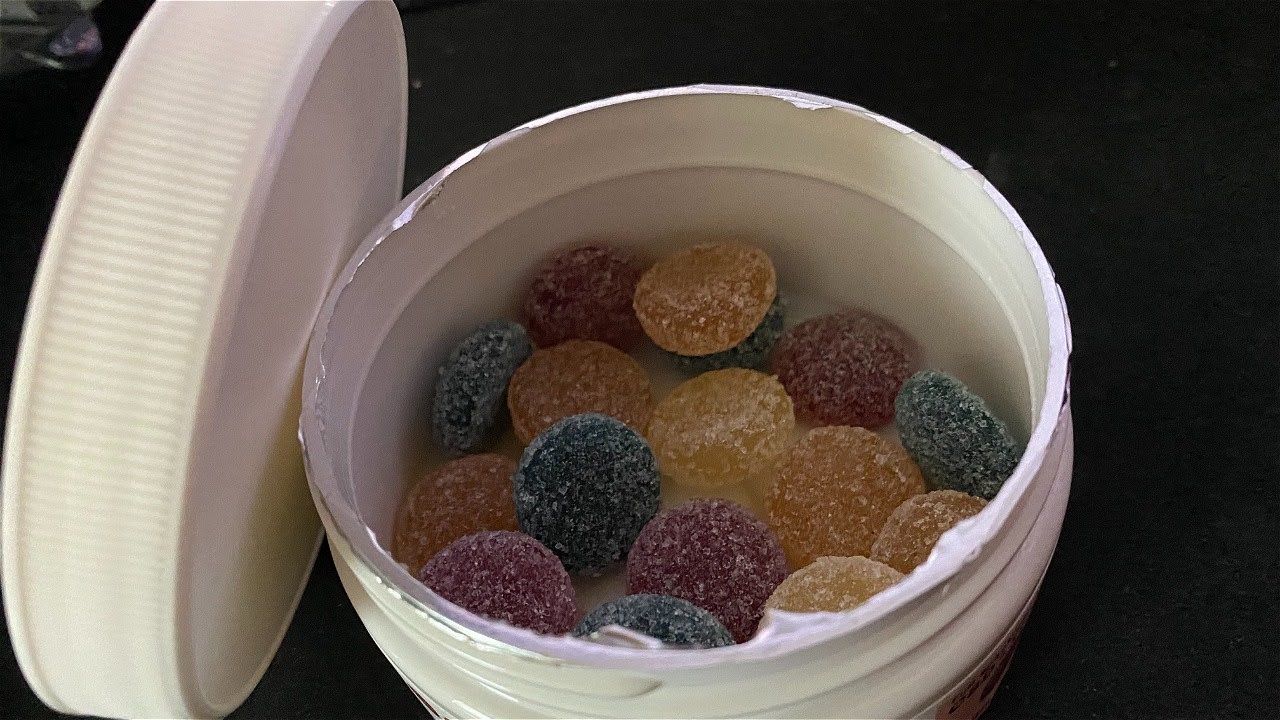
The mechanisms of erection are complex, involving the nervous system, blood vessels, hormones, and emotions. When a man is sexually stimulated, nerve signals trigger blood flow to the penis, causing it to become erect. If any component of this system is impaired, it can lead to ED. Traditional treatments involve medications like phosphodiesterase type 5 inhibitors (PDE5i), which enhance blood flow to the penis. While these treatments can be effective, they do not work for everyone and may come with side effects or contraindications.
In recent years, alternative treatments for ED have garnered attention, particularly natural remedies and cannabinoids such as cannabidiol (CBD). CBD is a chemical compound derived from the cannabis plant, which has gained popularity for its various health benefits without the psychoactive properties of its more famous counterpart, tetrahydrocannabinol (THC). The interest in CBD has been fueled by anecdotal evidence suggesting it can help with anxiety, stress, inflammation, and pain—all of which can contribute to erectile dysfunction. However, more scientific research is needed to understand the efficacy and potential role of CBD in treating ED.
How CBD Affects the Body
CBD interacts with the body’s endocannabinoid system (ECS), which plays a crucial role in regulating a myriad of physiological processes including mood, appetite, pain sensation, and reproductive functions. The ECS comprises receptors (CB1 and CB2), endocannabinoids, and enzymes. CB1 receptors are predominantly found in the brain and central nervous system, while CB2 receptors are found in the peripheral nervous system and immune cells. Through its interaction with these receptors, CBD can influence various bodily functions.
The potential anxiolytic and antidepressant effects of CBD are primarily attributed to its interaction with serotonin receptors in the brain. By enhancing the signalling of serotonin, a neurotransmitter often dubbed the “feel-good hormone,” CBD may help alleviate anxiety and improve mood. Psychological factors, including anxiety or stress related to sexual performance, can significantly hinder the ability to achieve or maintain an erection. Therefore, by potentially reducing these feelings, CBD could indirectly support erectile function.
Furthermore, CBD exhibits anti-inflammatory properties that may be beneficial in managing physical conditions affecting erectile function. Inflammation can impair blood flow and cause damage to blood vessels, which is vital for achieving an erection. By reducing inflammation, CBD may improve vascular health and, consequently, erectile performance. Nevertheless, more rigorous scientific studies are needed to fully understand these mechanisms and their implications for treating ED.
Current Research on CBD and Erectile Dysfunction
<pWhile an increasing number of individuals are claiming benefits from CBD for a variety of ailments, the scientific literature specifically addressing CBD’s efficacy in treating erectile dysfunction is still limited. Early animal studies have shown that cannabinoids can influence penile function, yet human clinical trials are sparse. A groundbreaking study published in a peer-reviewed journal found that CBD might boost sexual desire and enhance overall sexual satisfaction, revealing a potential avenue for further research.
One of the most comprehensive studies on ED treatment options found that many men experience significant improvement when incorporating alternative therapies alongside prescribed medications. As the stigma around cannabis products lessens, more men are turning to CBD as a supplement for enhancing sexual performance. While early reports are promising, they are largely anecdotal, underlining the need for controlled studies and clinical trials.
Future research should aim to clarify the relationship between CBD, anxiety, and sexual dysfunction, especially as mental health issues significantly overlap with ED. Gathering more data on dosage, delivery methods, and long-term effects will provide a clearer understanding of the potential role of CBD in sexual health. Until then, men considering CBD for ED should consult healthcare professionals to weigh potential benefits against risks and ensure it complements other treatments.
Potential Benefits and Risks of Using CBD for ED
The potential benefits of using CBD to manage erectile dysfunction are multifaceted. Primarily, its reputed ability to lessen anxiety and improve sleep quality contributes to a more relaxed state that may facilitate better sexual performance. Additionally, CBD’s anti-inflammatory properties might provide systemic benefits by enhancing blood circulation, a crucial factor for achieving an erection. Users may find that CBD products help create a more positive sexual experience, free from performance anxiety.
Another advantage of CBD is its non-psychoactive nature, which means users can experience therapeutic benefits without the mind-altering effects associated with THC. Many men seeking alternative treatments may prefer CBD’s approach to managing sexual health without the stigma or legal complications often associated with cannabis. Moreover, being derived from natural plant sources, CBD products can appeal to individuals seeking holistic health solutions while aligning with personal health philosophies.
However, it’s essential to acknowledge potential risks and side effects, as not all CBD products are created equal. The lack of regulation in the market raises concerns about product quality and cannabinoid concentration. Some individuals may experience side effects such as fatigue, diarrhea, or changes in appetite when using CBD. Additionally, because CBD can interact with other medications, particularly those metabolized by the liver, it’s crucial for individuals to consult with healthcare professionals before starting treatment. Evaluating the therapeutic potential of CBD alongside its risks remains an important consideration for those interested in this remedy.
Insights and Future Directions
The dialogue surrounding CBD’s efficacy in treating erectile dysfunction is still unfolding, with increasing public interest highlighting a potential shift in how sexual health issues are approached. As society moves towards more acceptance of cannabis-related products, the investigation into their medicinal properties will likely continue to grow. While anecdotal evidence and preliminary studies offer hope, extensive and rigorous scientific research is vital to establish more reliable conclusions regarding the benefits and risks associated with CBD and ED.

Integrating CBD into treatment plans for ED could represent a complementary approach that combines traditional medical interventions with alternative therapies. As research progresses, healthcare providers may be better equipped to recommend CBD as a treatment option, especially for those who may experience unbearable side effects from conventional medications or prefer a more holistic approach. The application of CBD could reach beyond just ED, as understanding its effects could potentially lead to advancements in treating other sexual dysfunctions.
In conclusion, while CBD shows promise as a potential aid for erectile dysfunction by addressing underlying issues such as anxiety and inflammation, comprehensive clinical trials are essential to establish its efficacy. As we move forward, it remains crucial for individuals considering CBD for ED to remain updated on the latest research and consult healthcare professionals for individualized advice. The future of CBD in sexual health is still being written, and the outcomes of ongoing research may redefine approaches towards treating erectile dysfunction and improve overall sexual wellness.
Frequently Asked Questions
1. **Can CBD help with erectile dysfunction?** Preliminary research suggests that CBD may positively influence erectile dysfunction by alleviating anxiety and reducing inflammation, although more scientific studies are required to confirm its effectiveness.
2. **Is CBD safe to use for erectile dysfunction?** For most individuals, CBD is generally considered safe, but potential side effects can include fatigue, changes in appetite, and interaction with medications. Consulting with a healthcare professional is advisable before starting any new treatment.
3. **What form of CBD is best for erectile dysfunction?** CBD is available in various forms, such as oils, capsules, edibles, and topical products. The best form may depend on personal preference and desired effects, but oils and capsules are commonly used for systemic effects.
4. **How long does it take for CBD to work for erectile dysfunction?** The onset of action for CBD can vary based on the form and dosage used. Oils may take effect within 15 to 45 minutes, while other forms can take longer. Users should find a dosage that works best for their body.
5. **Can I use CBD with traditional ED medications?** While initial studies suggest CBD can be used alongside traditional ED medications, individuals should consult their healthcare provider to ensure safe and effective use.
6. **Is CBD legal?** CBD legality varies by country and state regulations. In many areas, hemp-derived CBD is legal, but it is crucial to verify local laws and regulations regarding its use.
7. **Are there any side effects associated with taking CBD?** While CBD is generally well-tolerated, some individuals may experience mild side effects. These may include drowsiness, diarrhea, and changes in appetite or weight. Monitoring one’s body response to CBD is essential when using it for the first time.
8. **How do I choose a quality CBD product?** Look for products that provide third-party testing results, detailed ingredient lists, and clear information about the source of the hemp. Selecting reputable brands with transparent practices can help ensure quality and safety.
9. **What dosage of CBD should I use for erectile dysfunction?** Dosage varies greatly depending on the individual and chosen method of consumption. Starting with a low dose and gradually increasing it may help individuals find what works best for them, always keeping in mind the advice of a healthcare professional.
10. **Is there a difference between CBD and THC?** Yes, CBD does not have psychoactive effects like THC, making it appealing for those seeking therapeutic benefits without the high associated with cannabis.